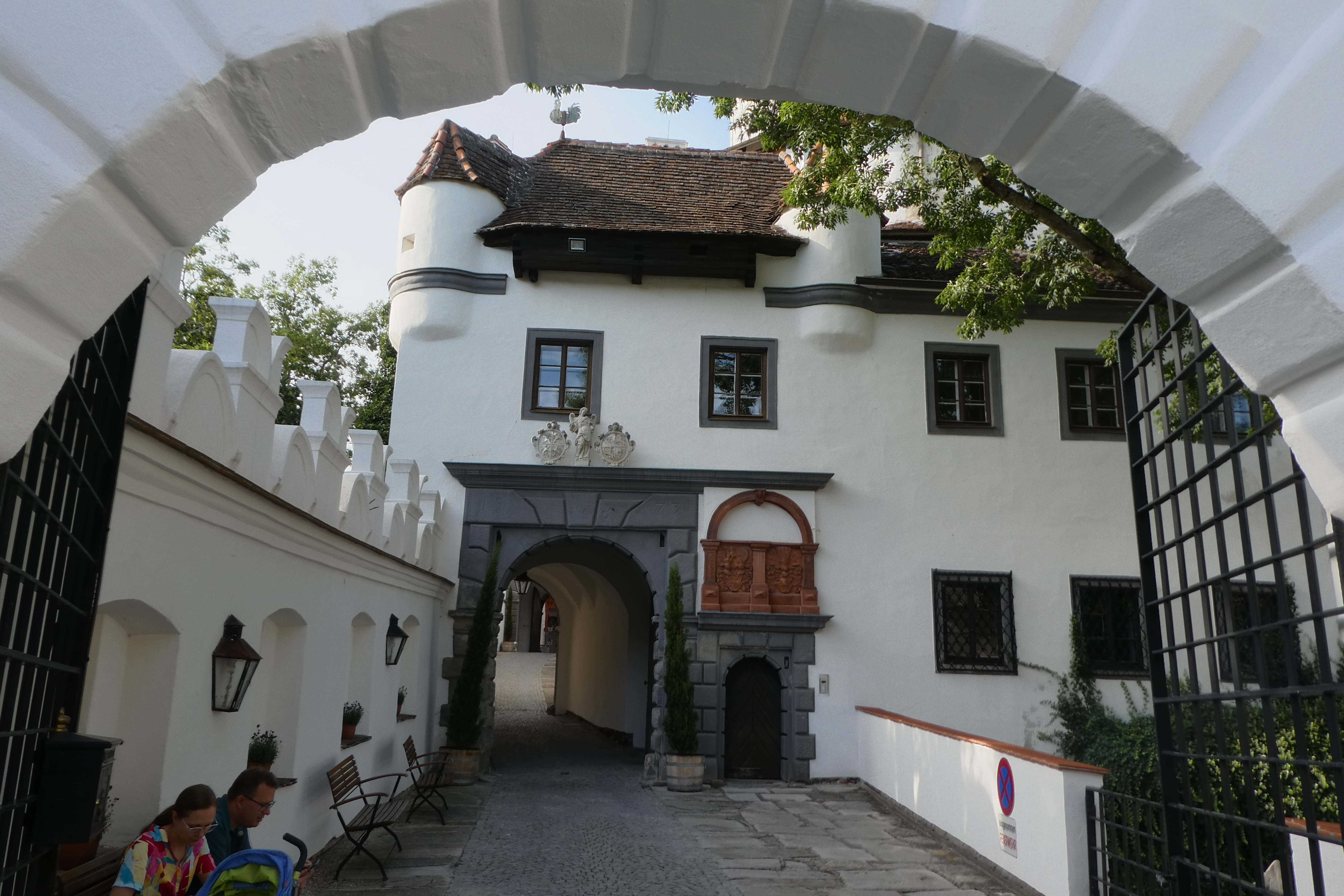
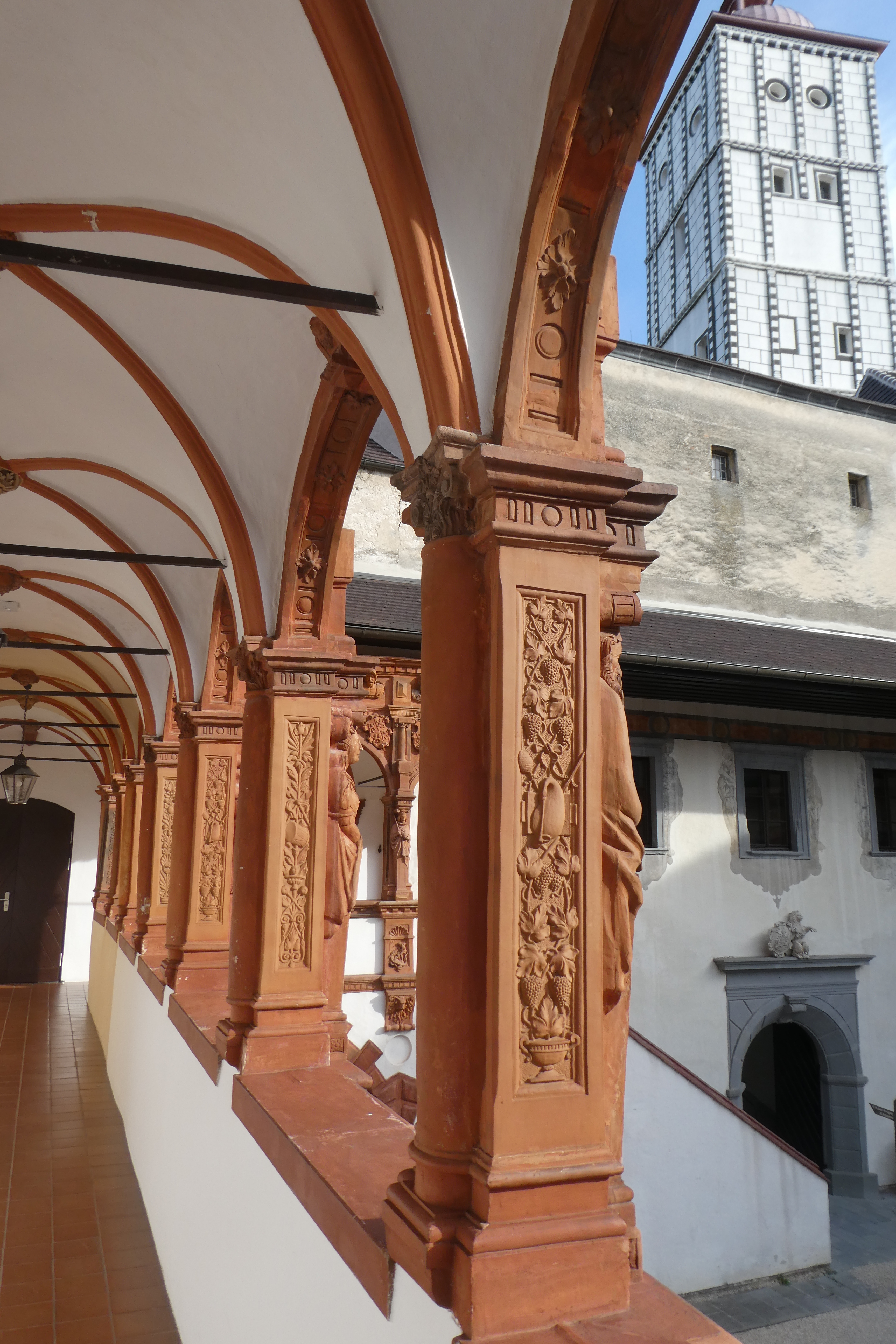
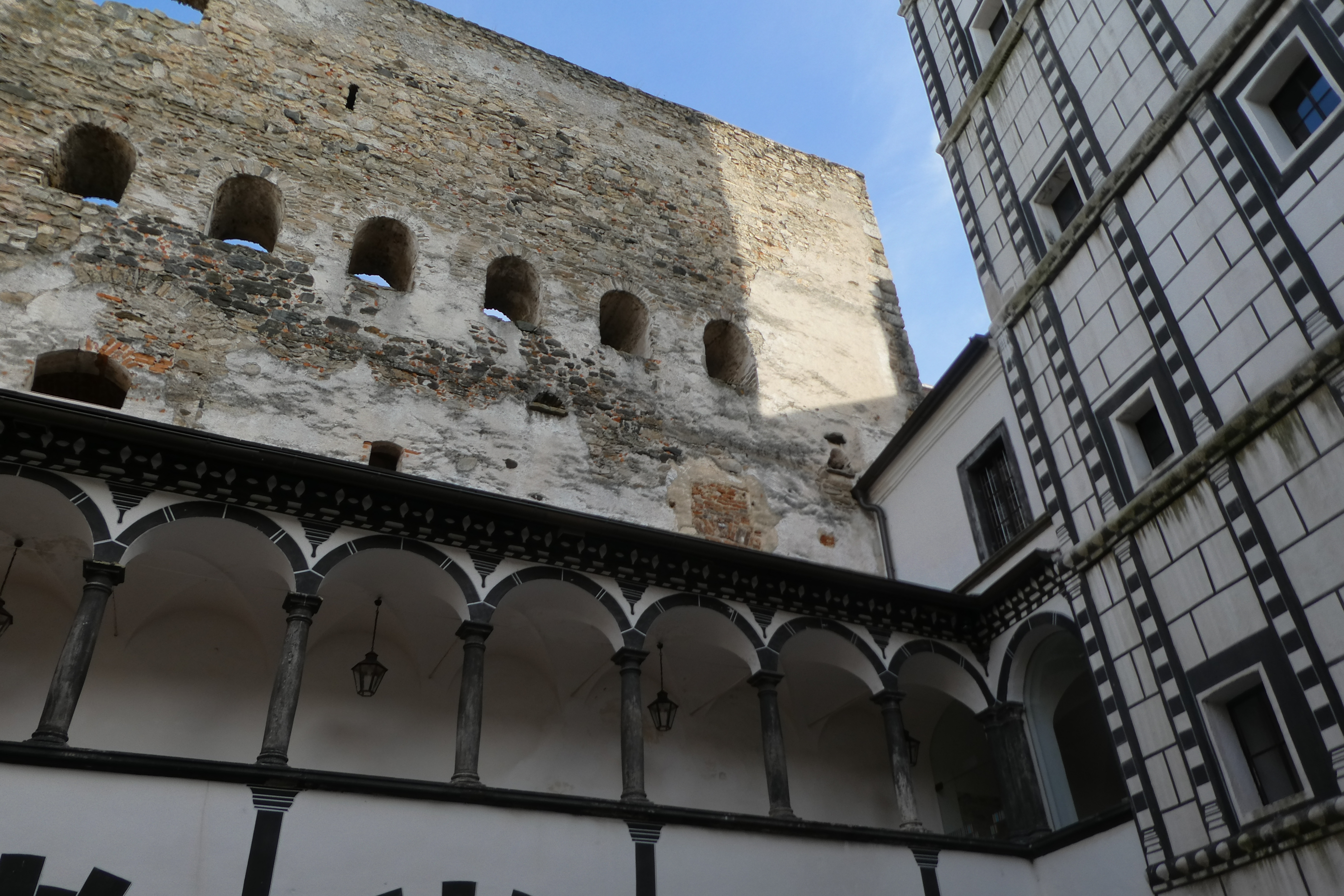
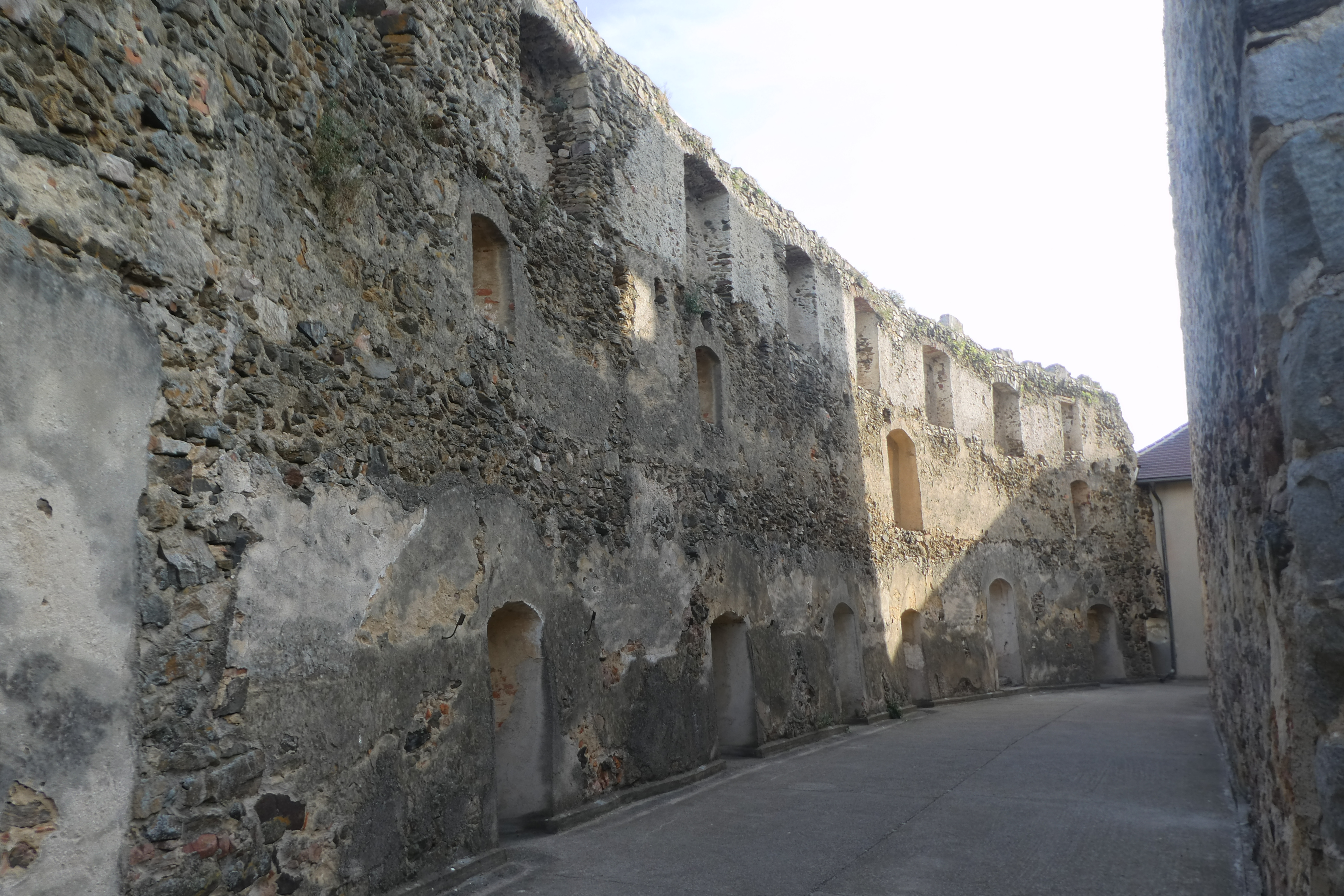
On the evening of my arrival I was late to be admitted further into the castle but what I saw that evening was enough for me to want to come back the following day. Who wouldn’t? Although I wasn’t sure I could see anything better, here are a few of the photos I took the following day.
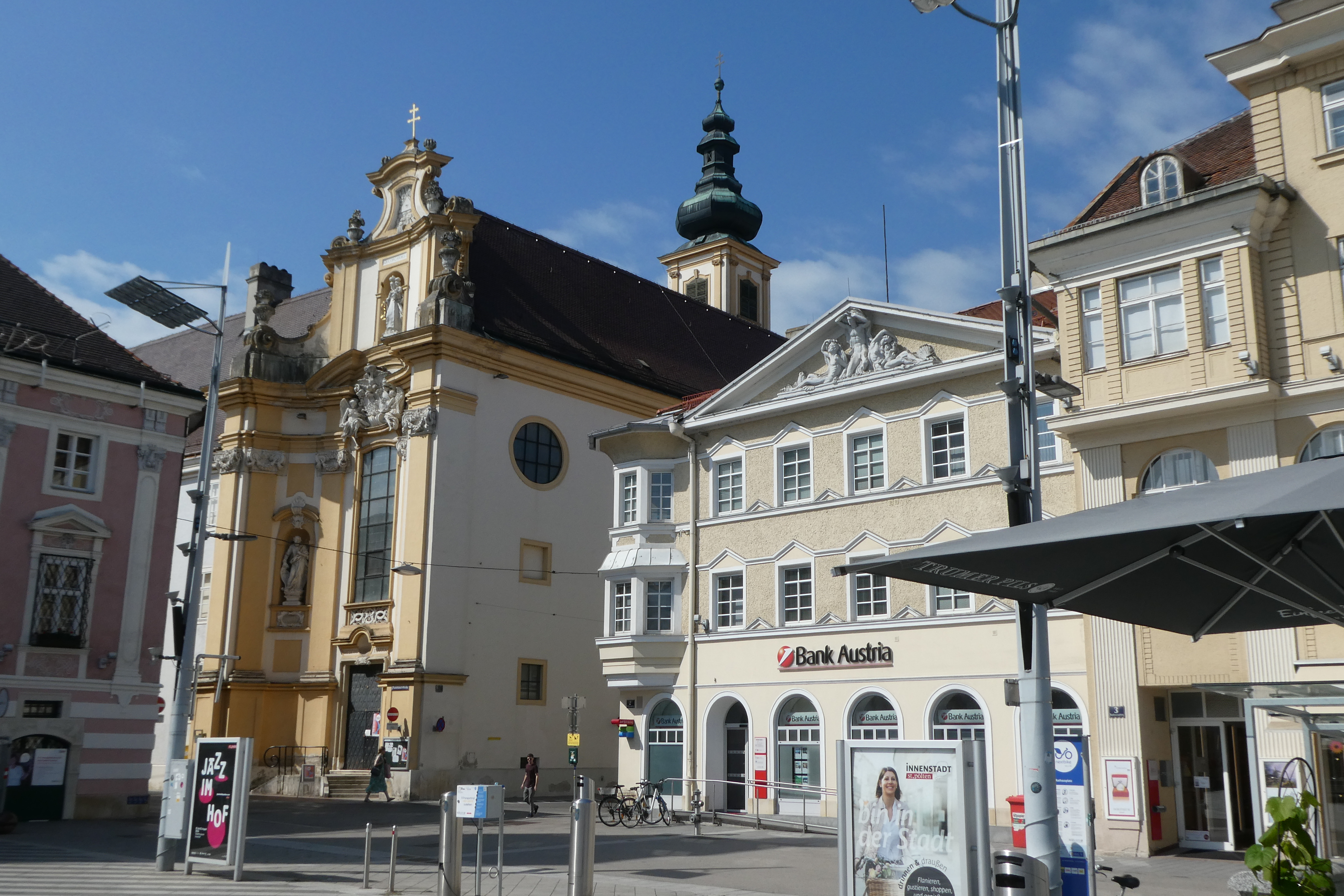
St. Pölten has only been the capital of the Niederösterreich, the largest province (or state) and second most populous one of Austria, since 1986, although it may be the smallest of the provincial capitals with its 57 thousand heads. Although it is among the oldest inhabited towns in Austria, it is probably one of the lesser-known cities but it is a really nice place with several beautiful old buildings, churches, so very well-worth visiting.
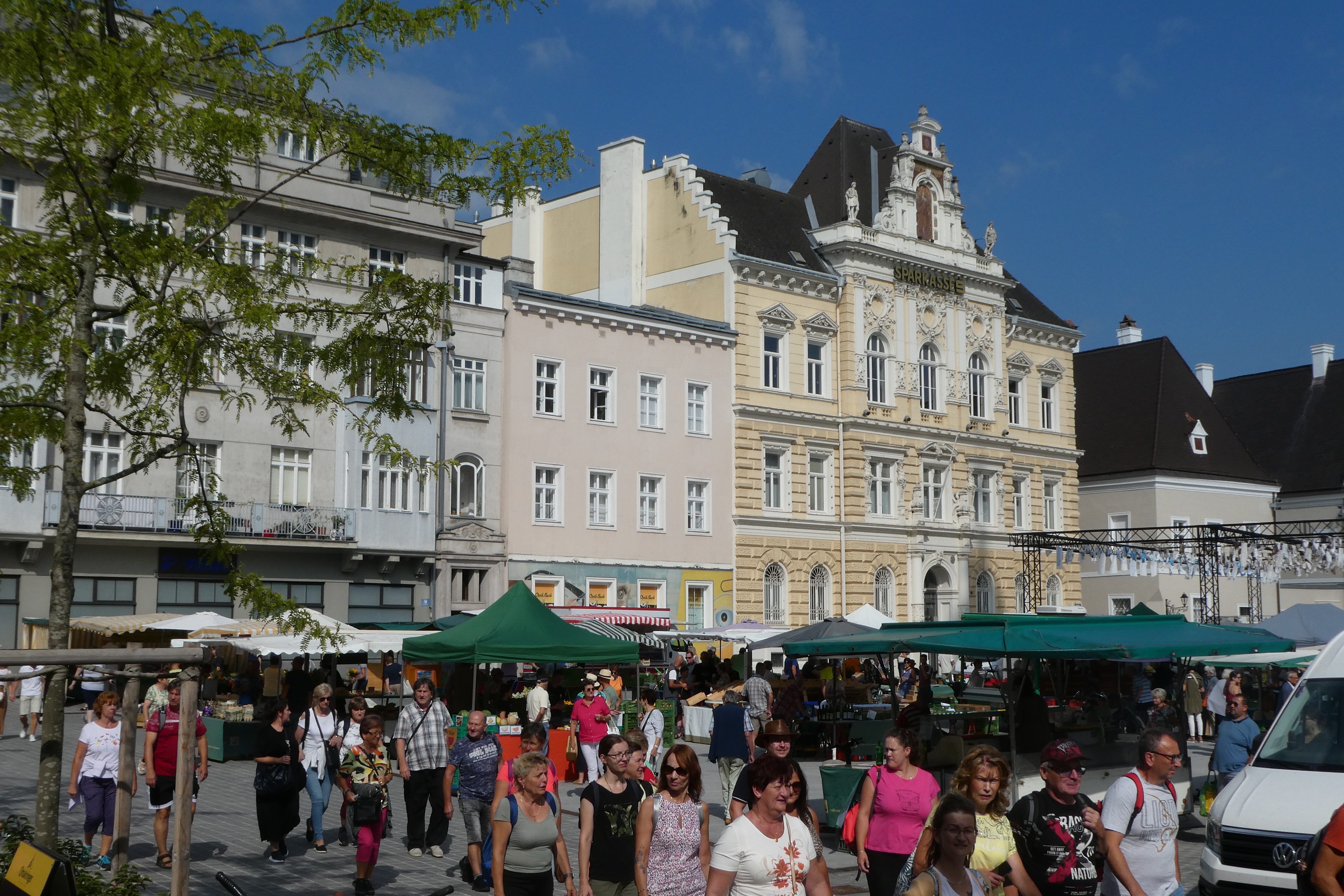
Its main square is relatively well-known, not without a reason.
When I visited there, the famous Rathaus (City Hall) was difficult to see behind the tents of the market. It was a very busy day for the locals and visitors.
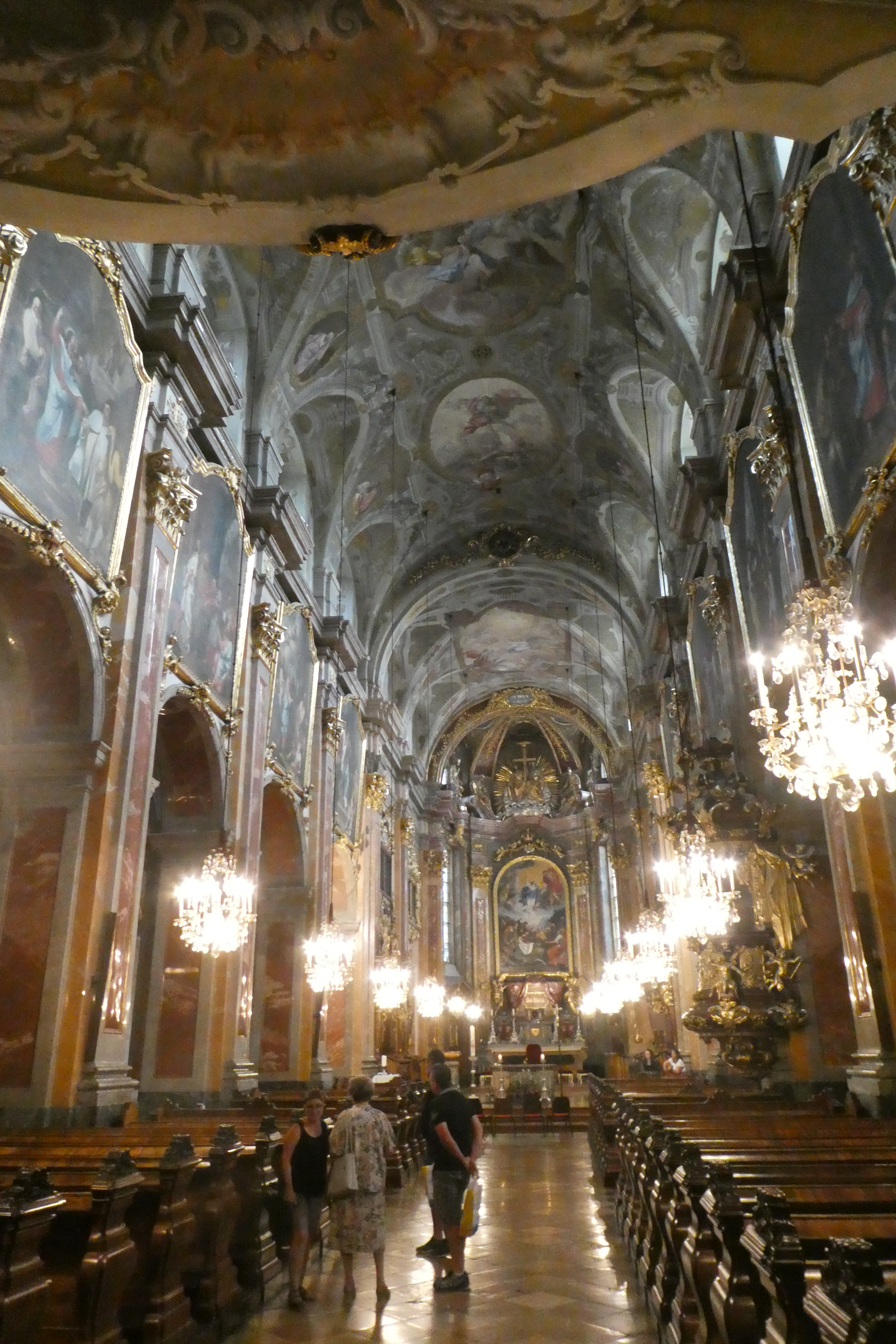
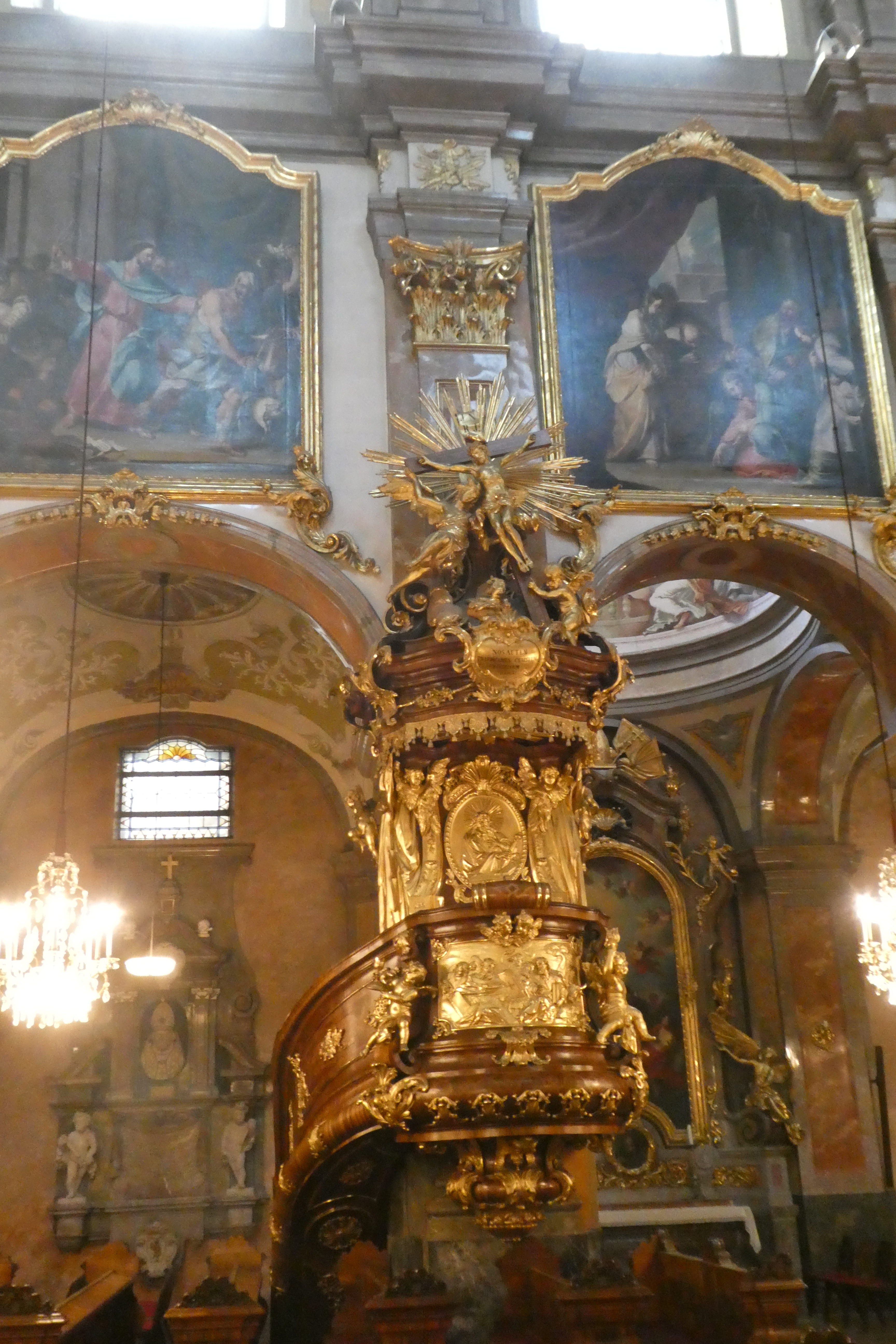
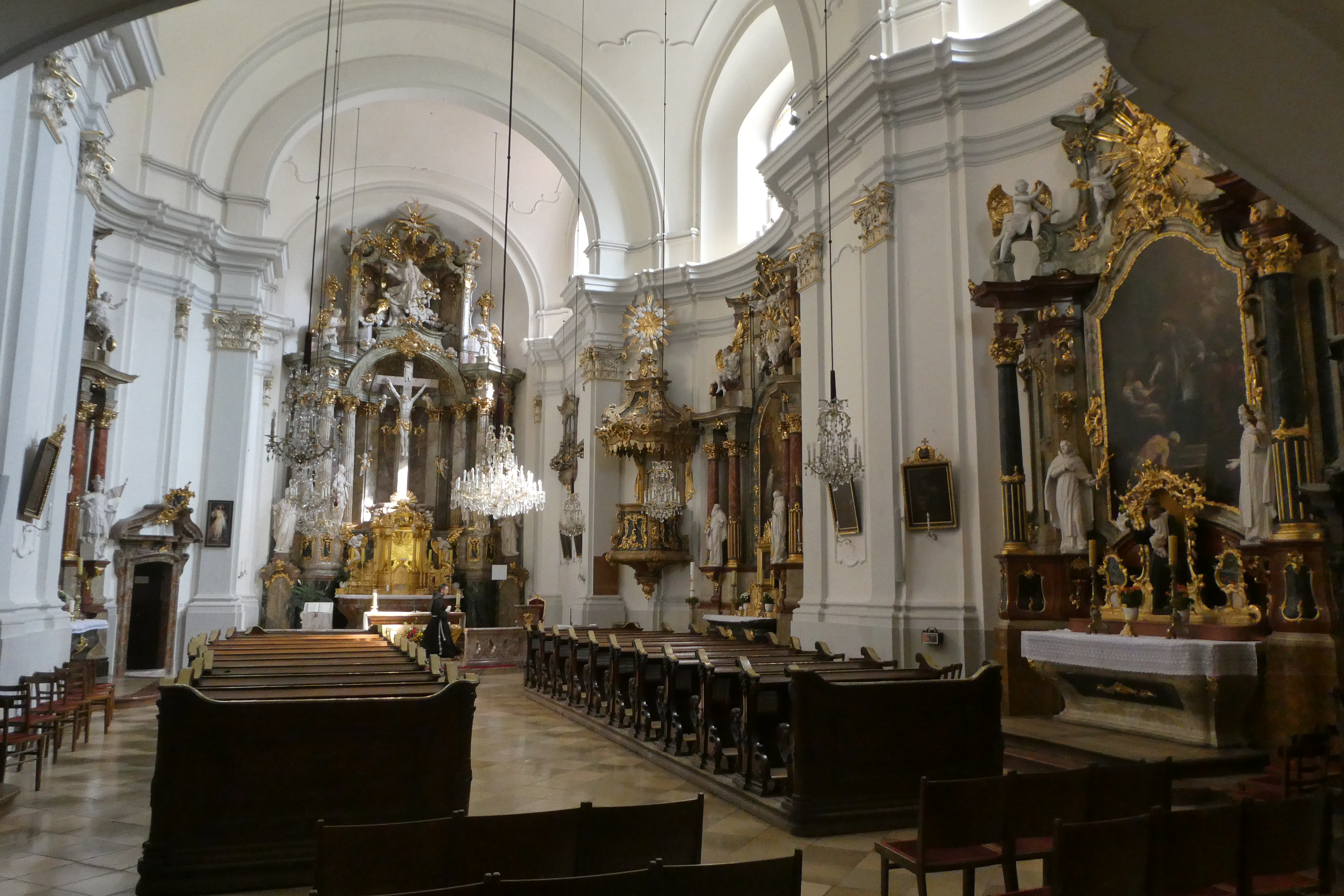
The Franziskanerkloster (monastery) and the Franziskanerkirsche are among the most valuable sights in town.
Unfortunately, I missed the Dommuseum, but saw a few other beautiful places instead on my short visit.
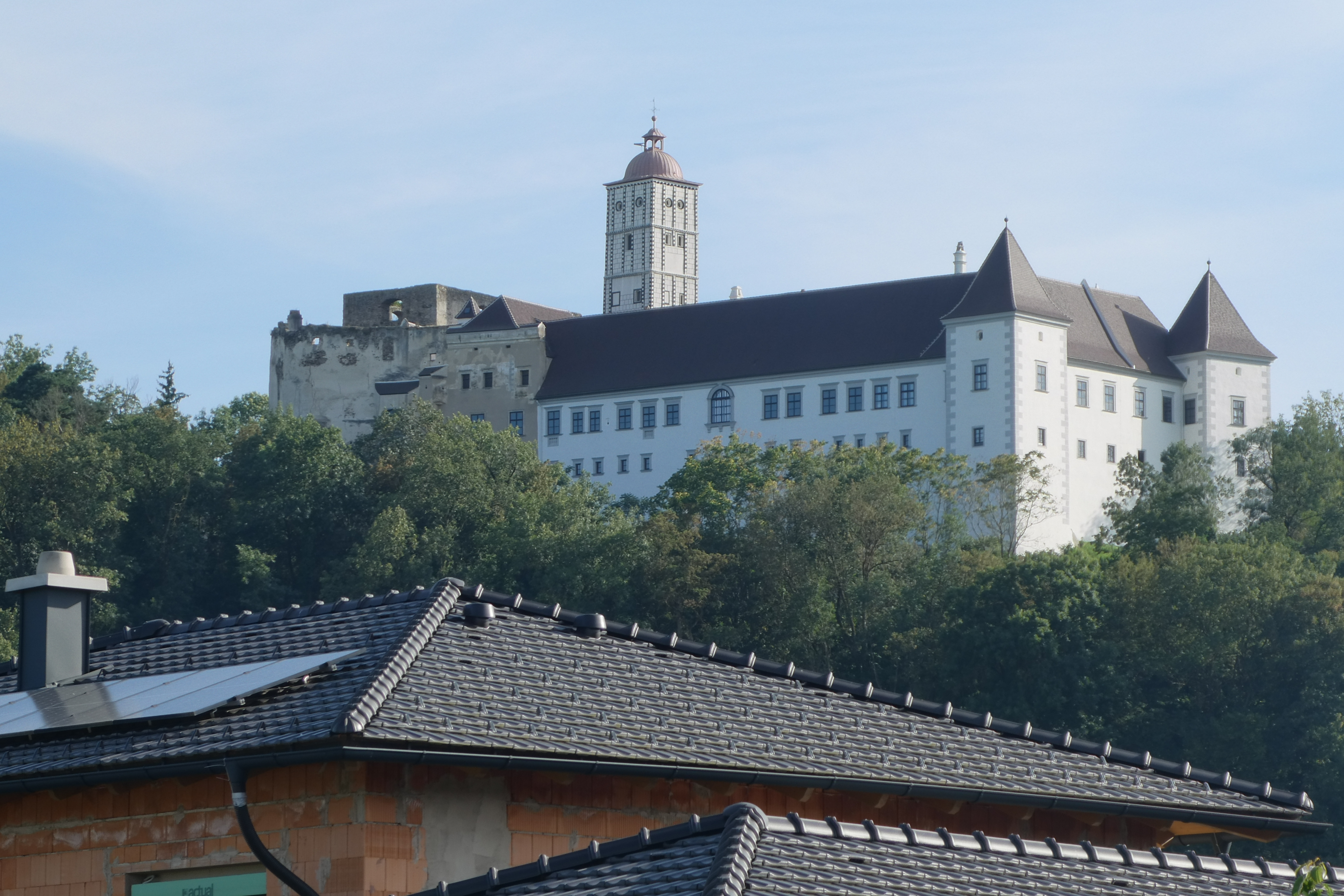
The reason why I was in a hurry was this beautiful castle nearby, for which I was late the previous evening but didn’t want to miss it altogether.
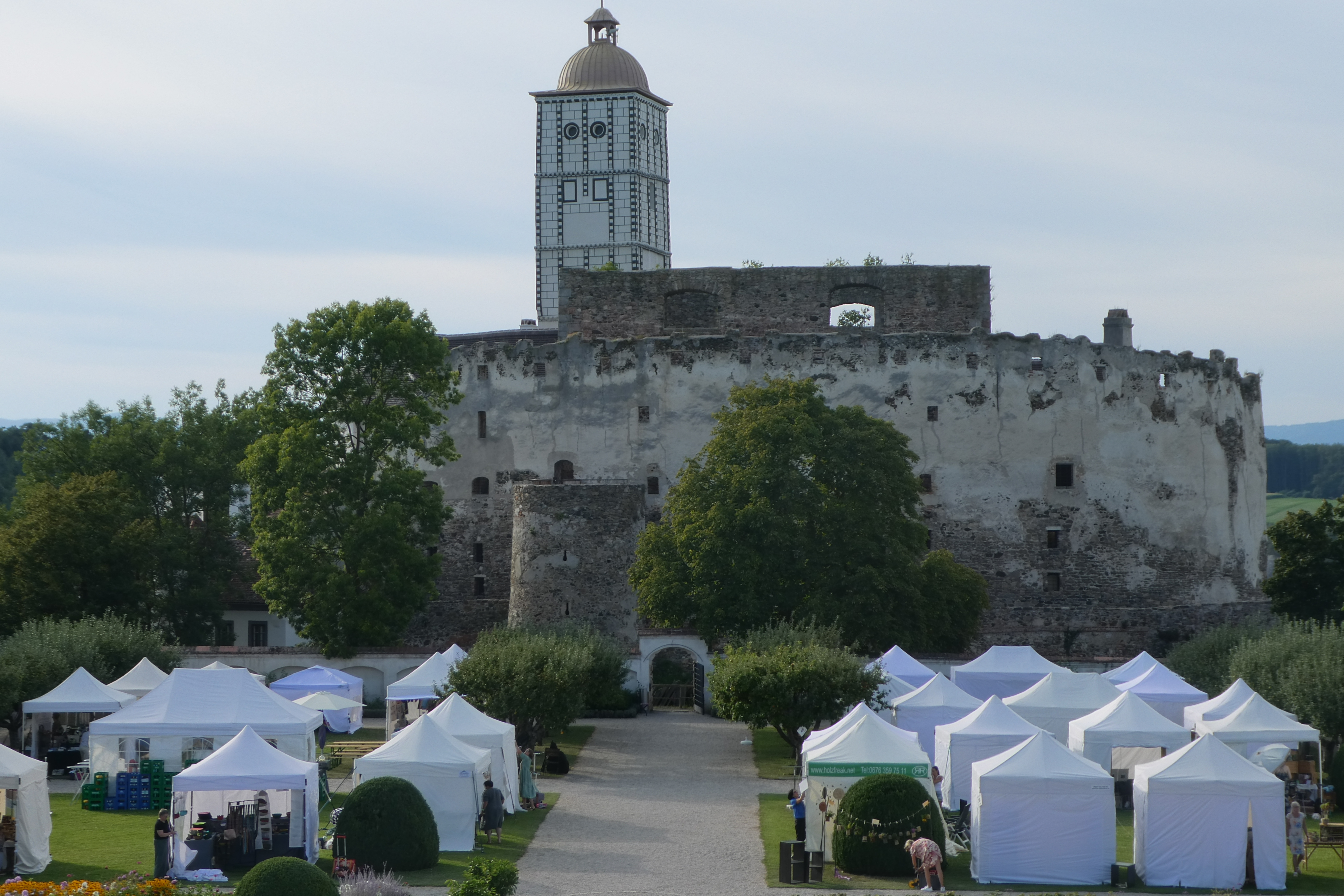
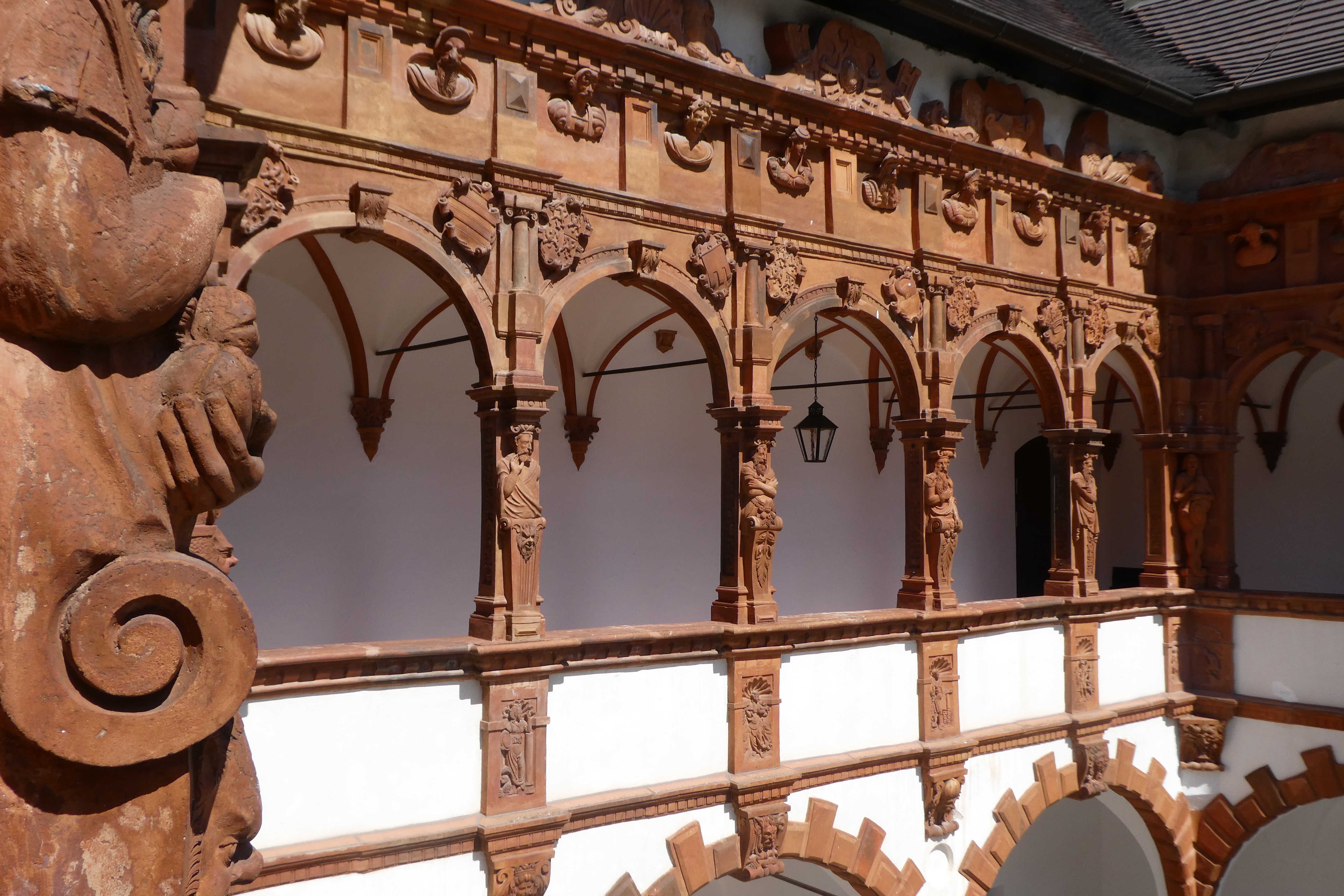
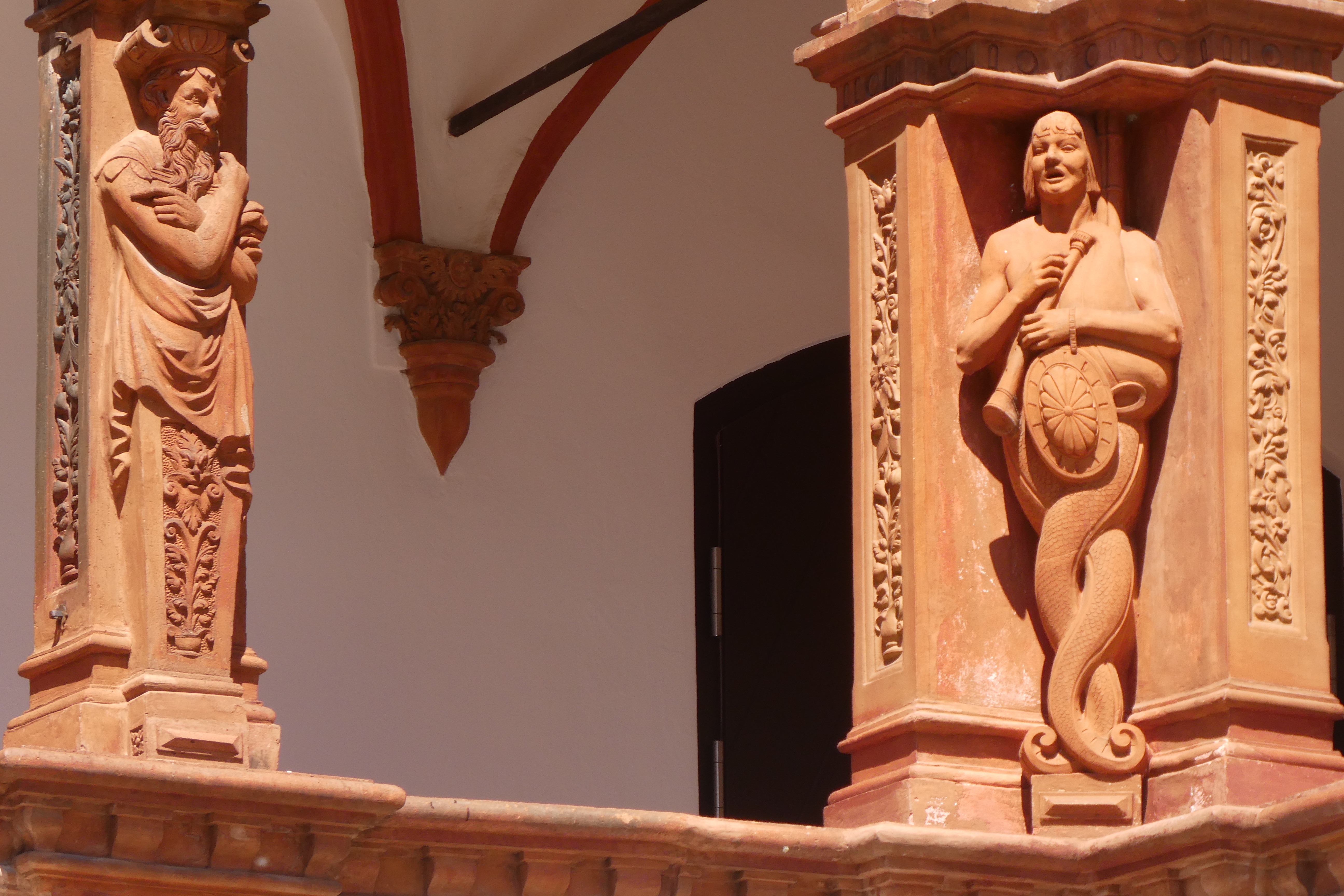
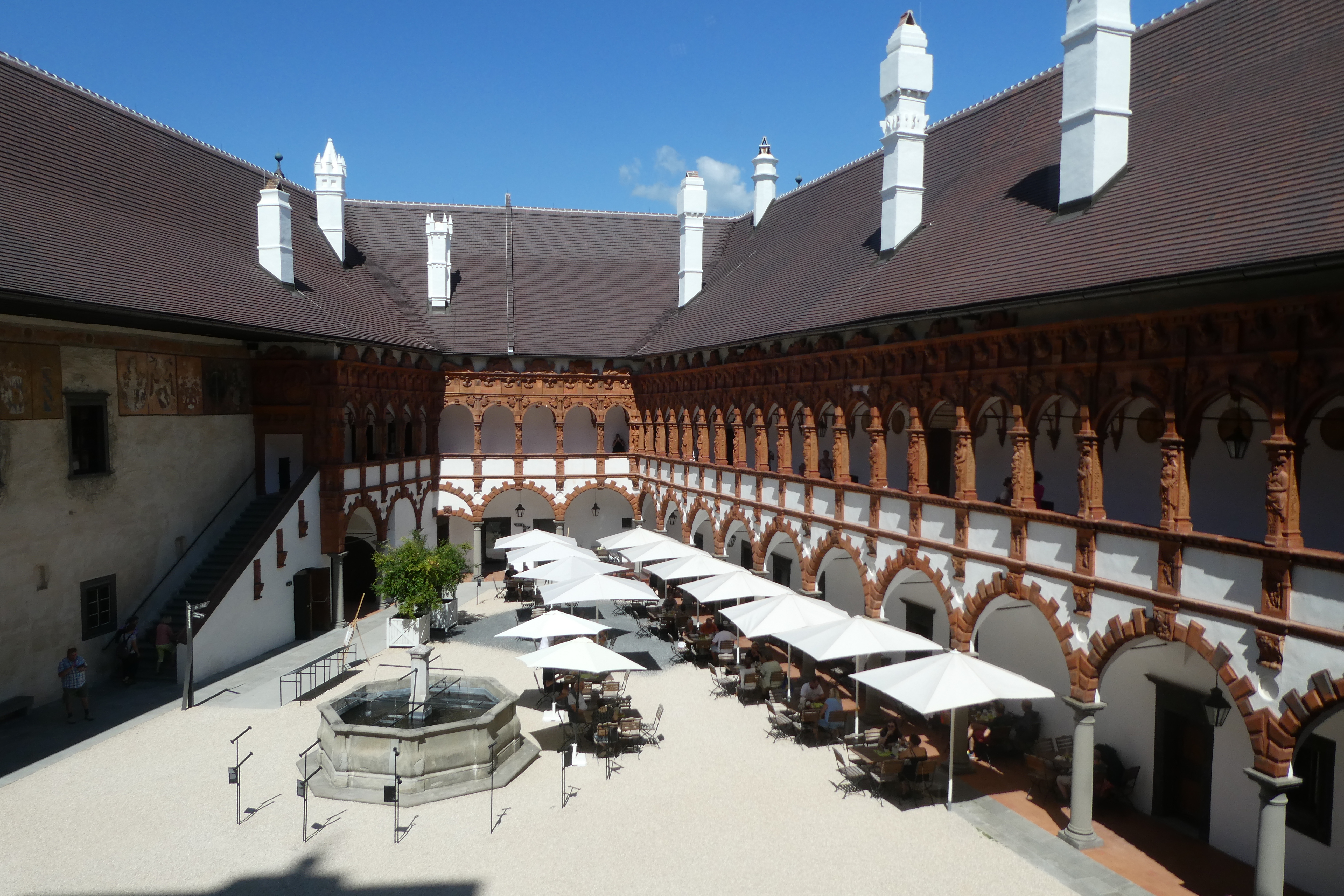
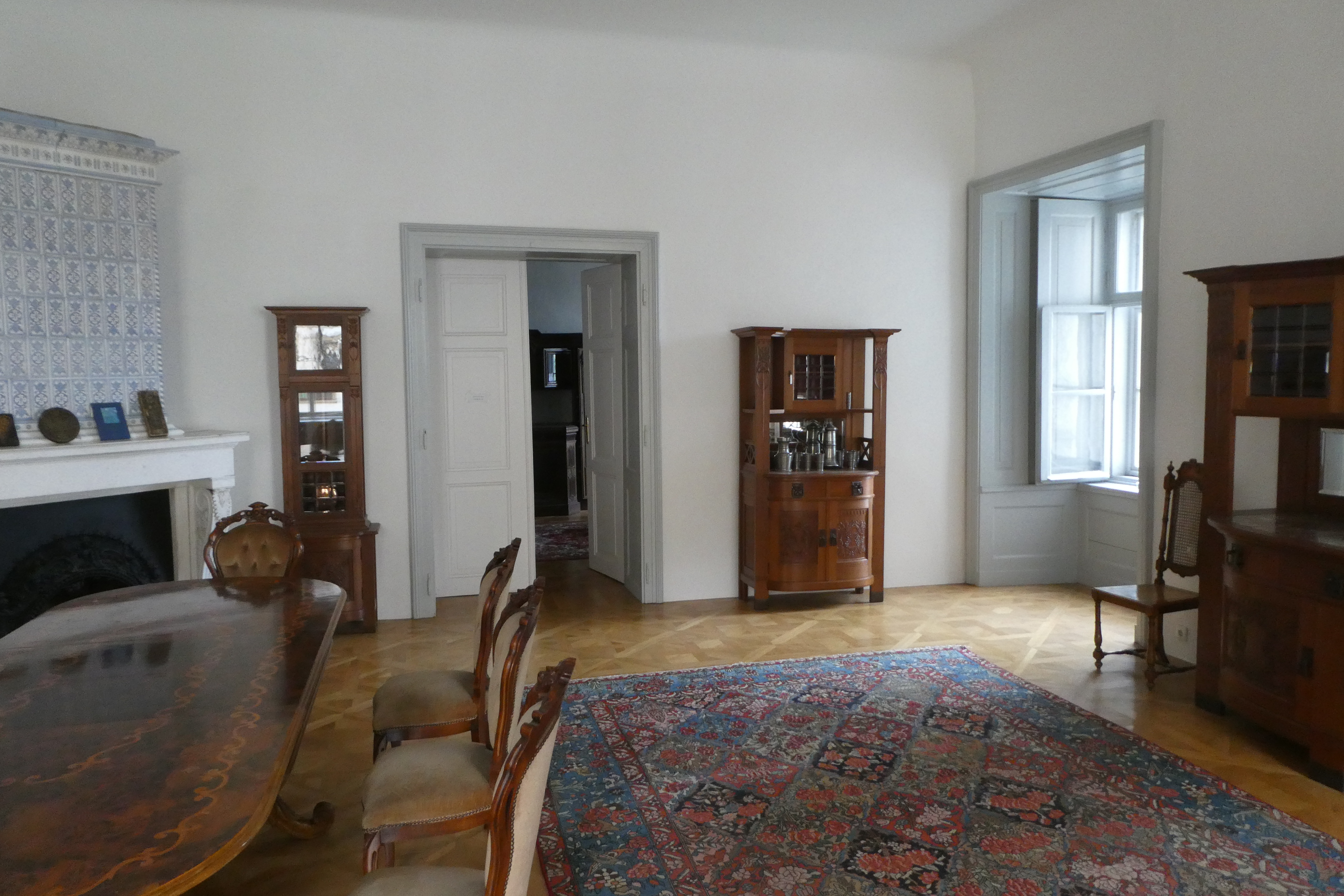
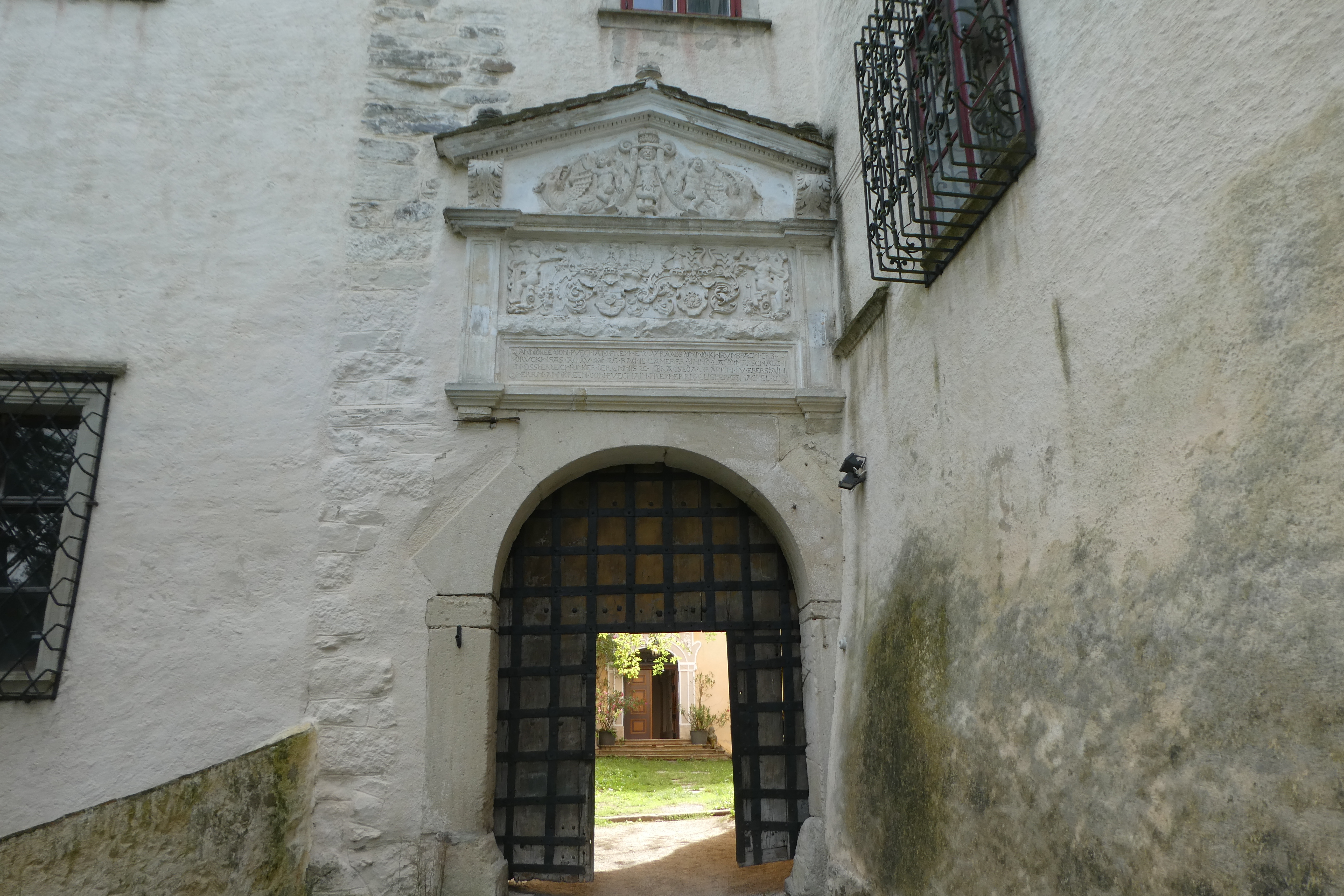
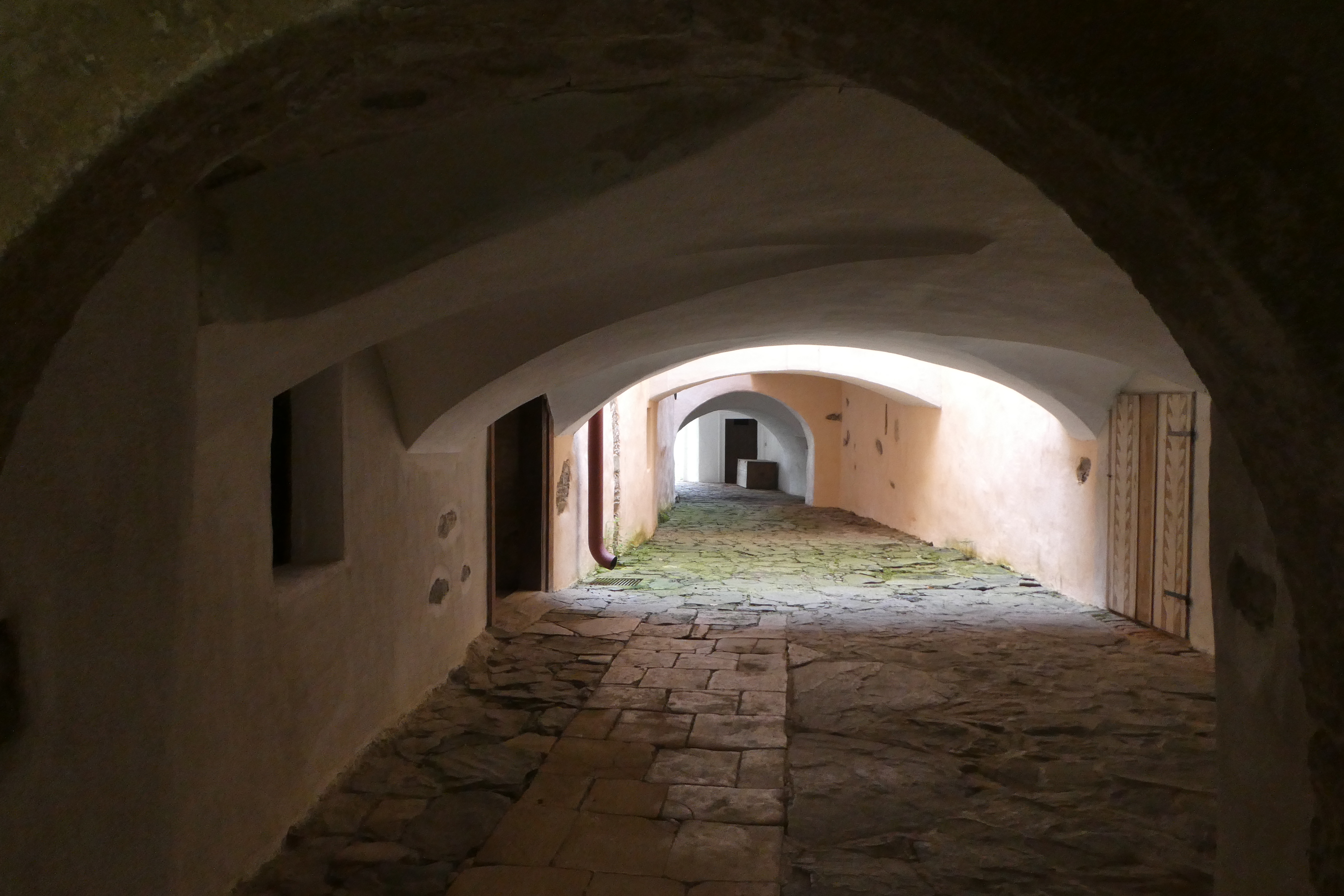
This was the castle of Schallaburg, where I was able to peek around and record the end of an event the previous evening – see below – but will show you more of, as I found it the following day, in my following post soon.
This beautiful place was a great surprise on my way – I never imagined I would find such a great point to stop.
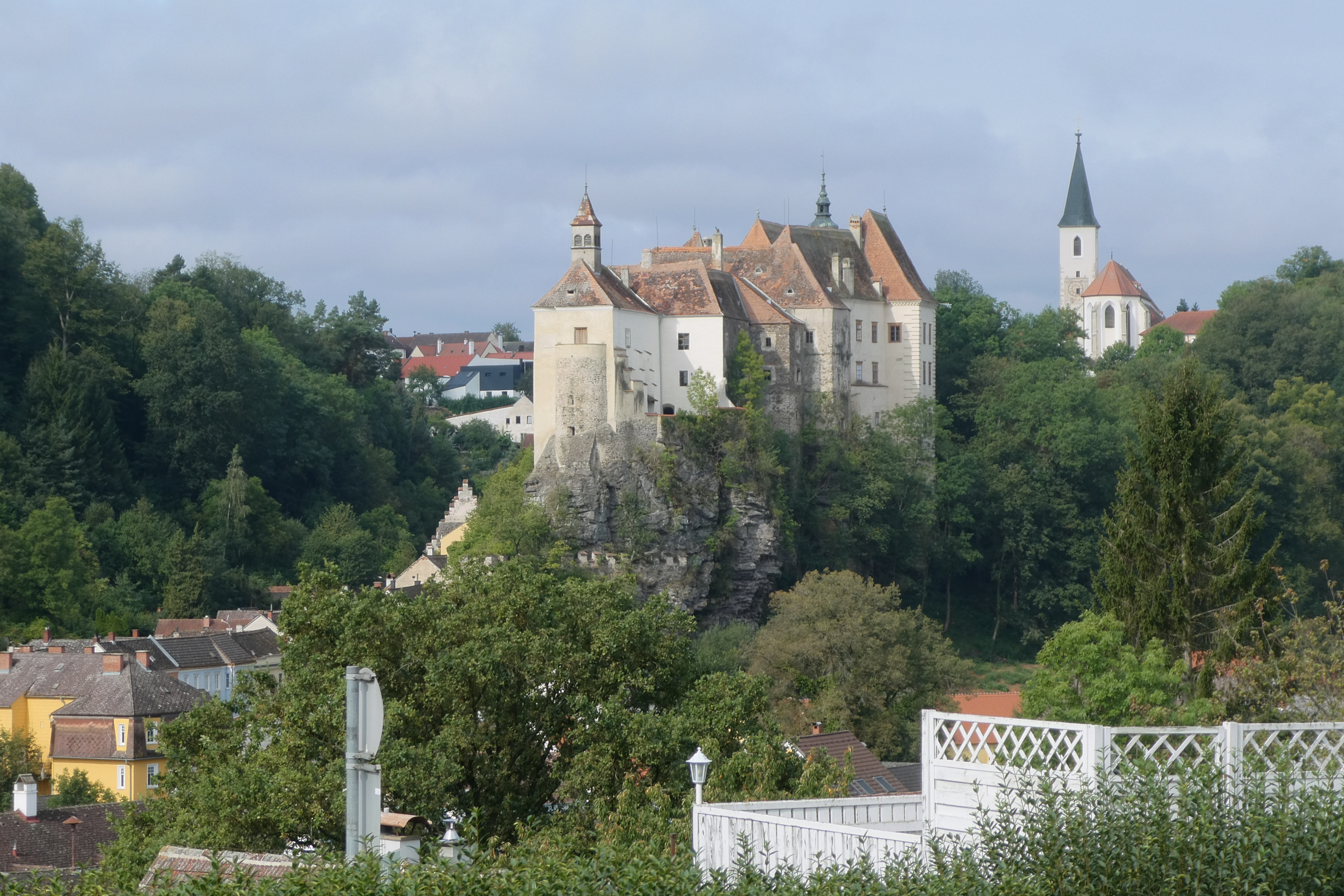
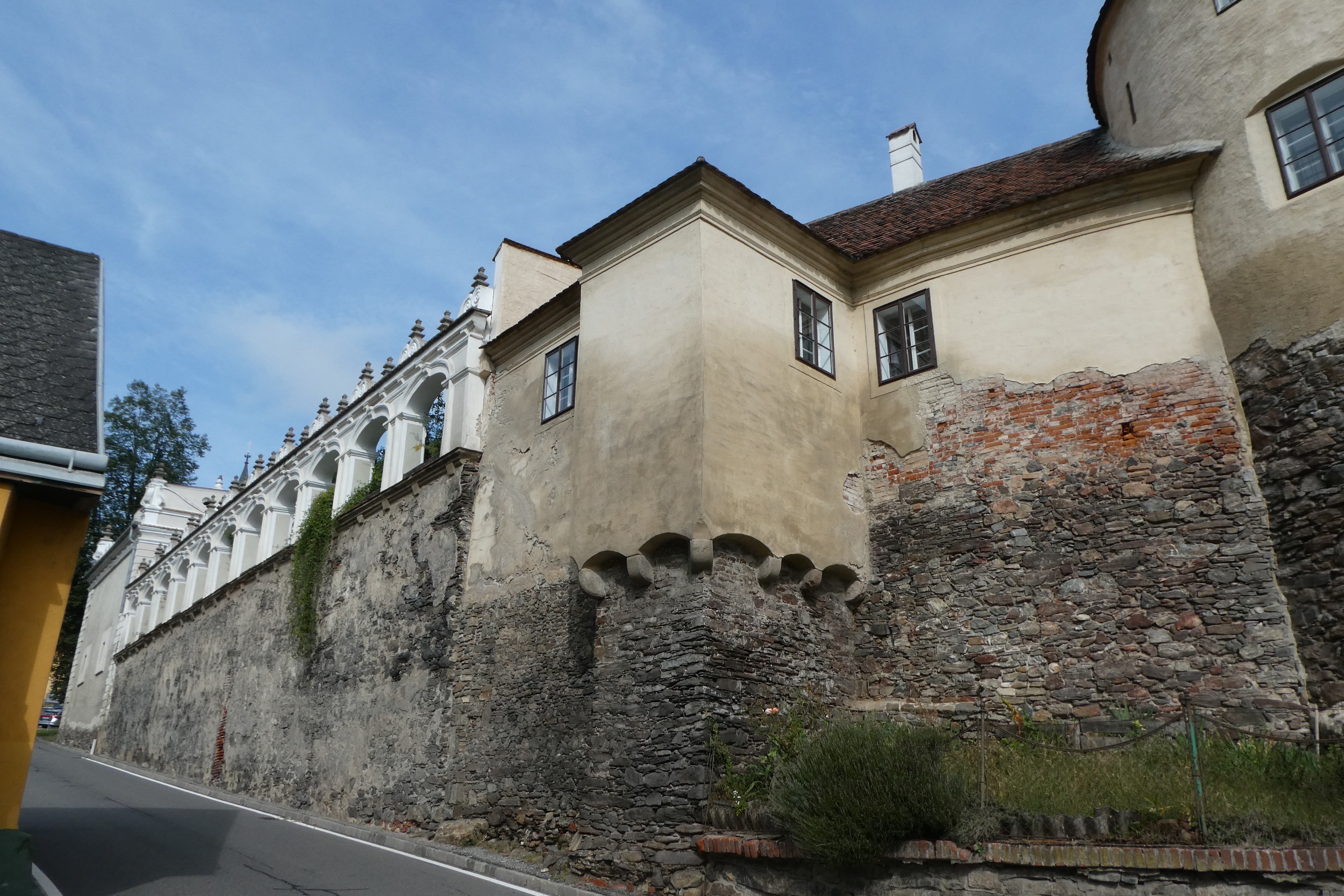
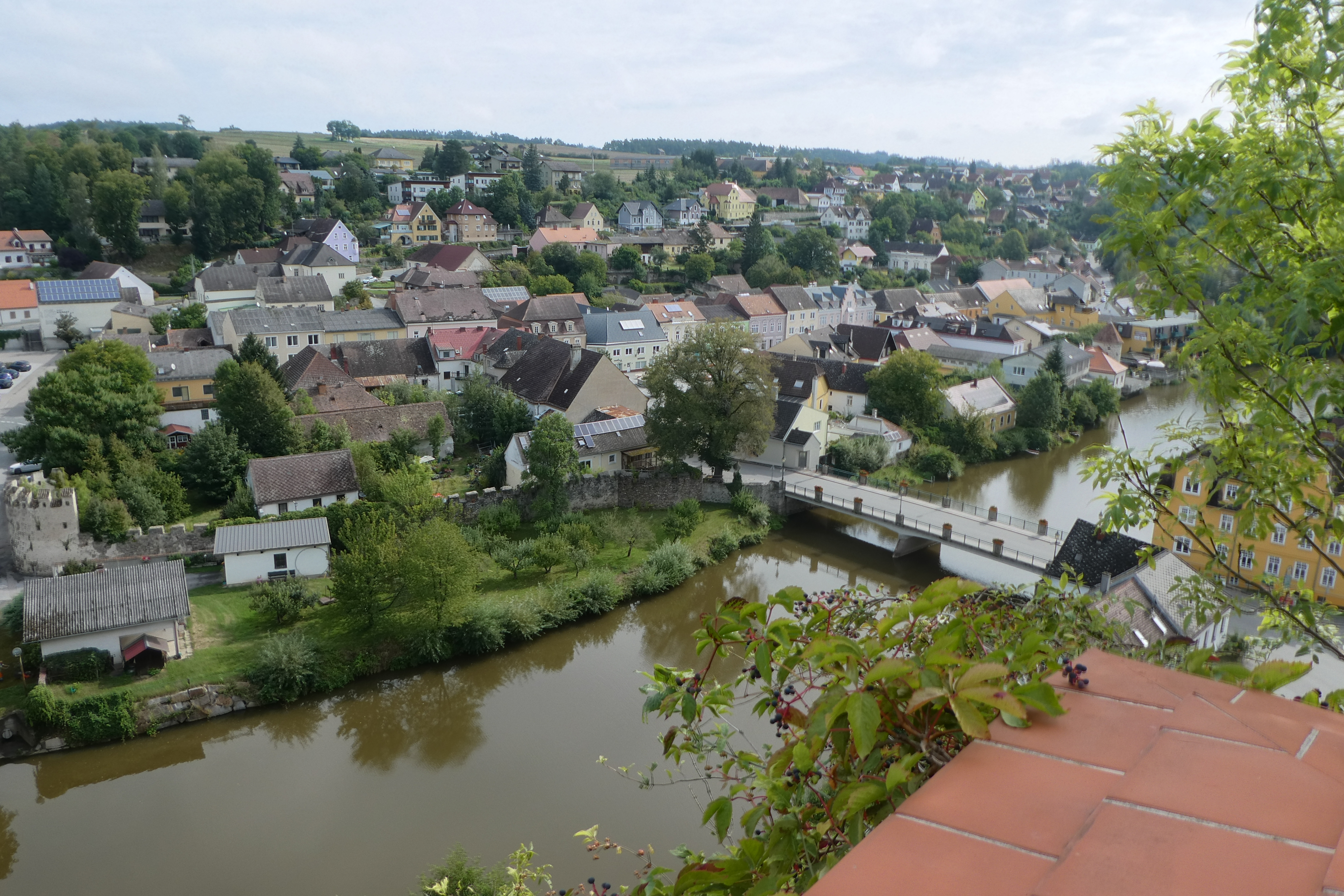
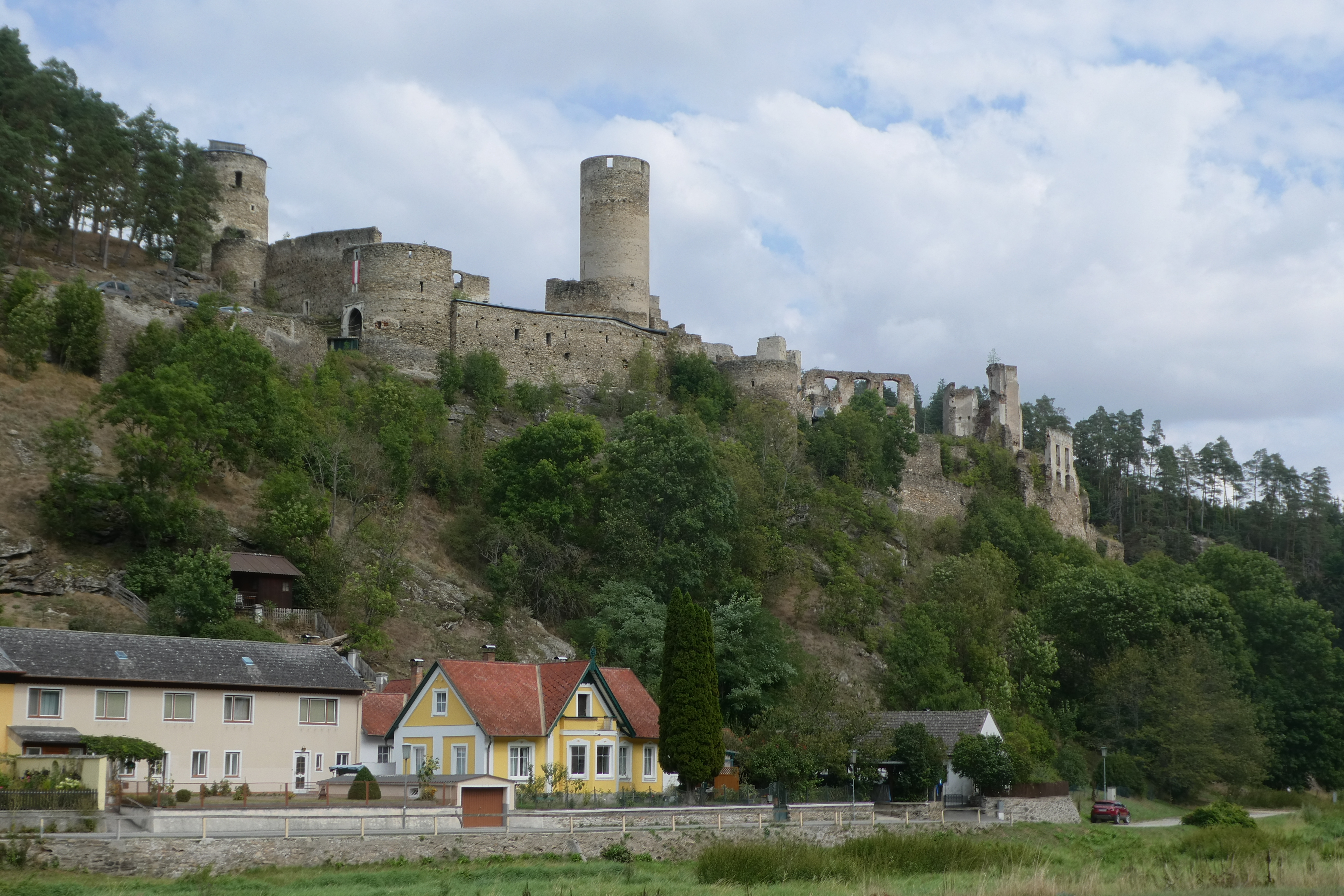
The town didn’t feel very interesting first but it was nice and it also has a couple of pretty churches to visit. But the castle, standing on a rock outcrop by the river and going back to the 11th century, was a unique experience.
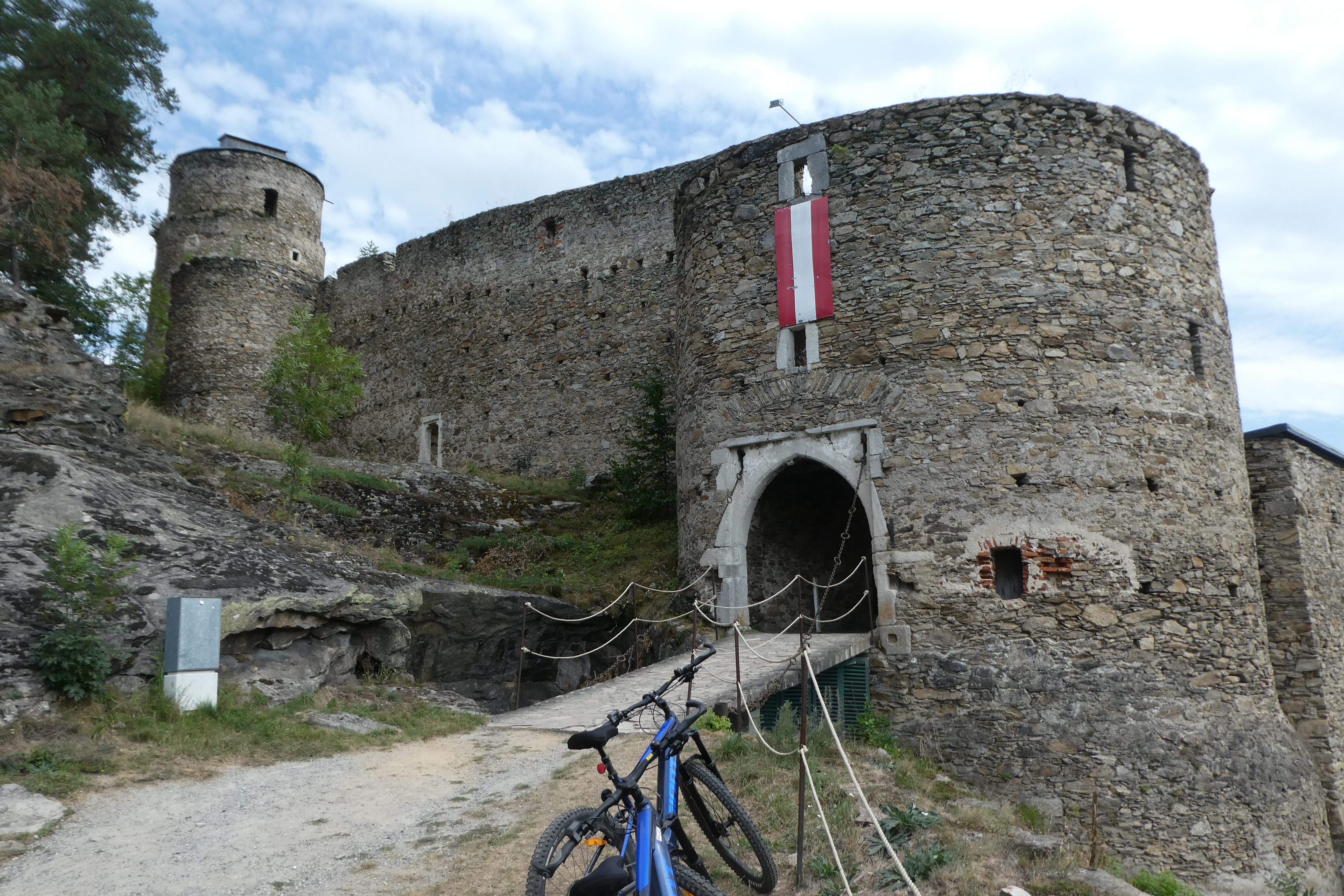
At this point a solitary woman informed me that the castle was not open in spite of the flyer on the gate declaring otherwise, which I pointed out to her. And which also meant that I shouldn’t have entered but, with my curiosity, I did – without an entrance fee at that.
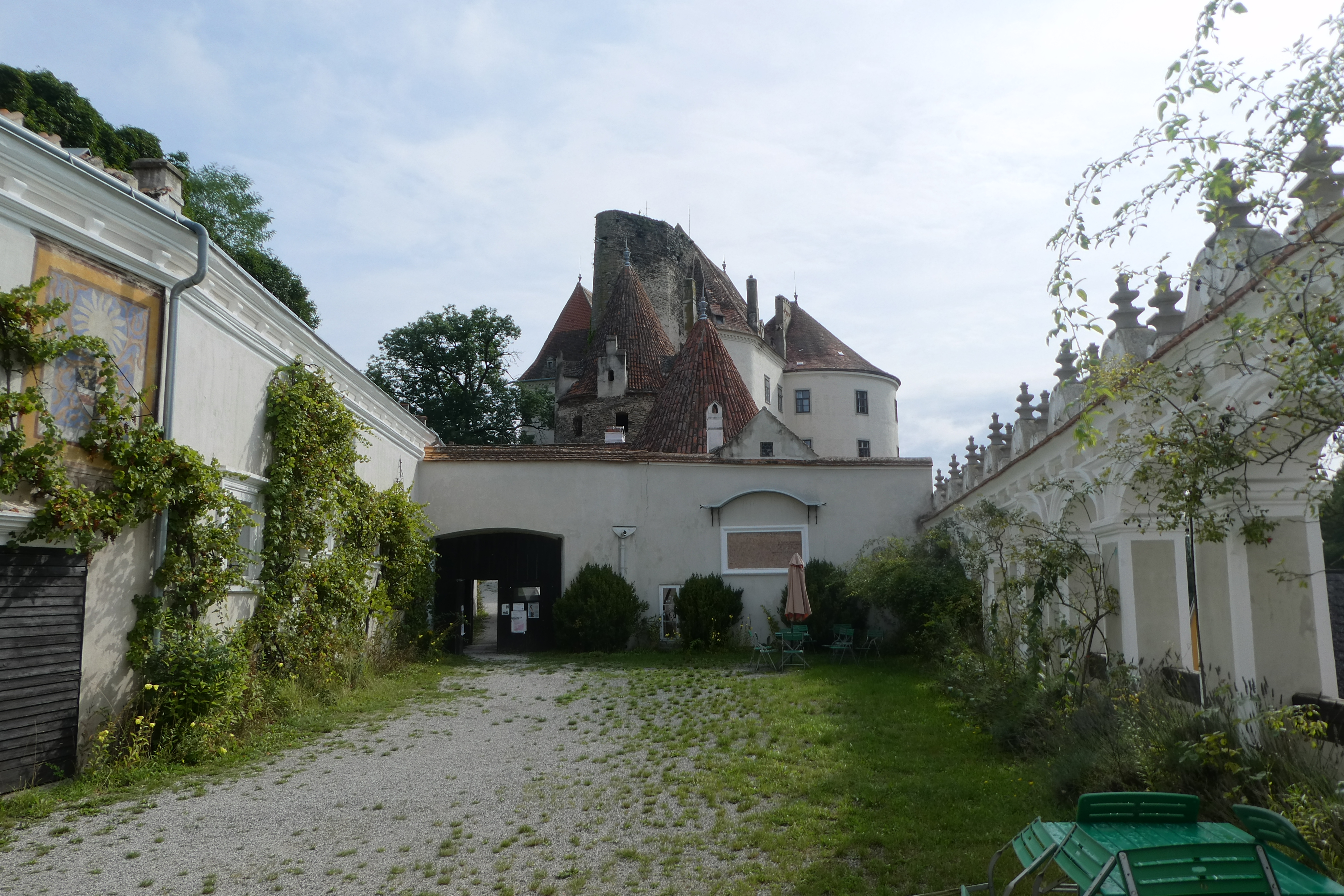
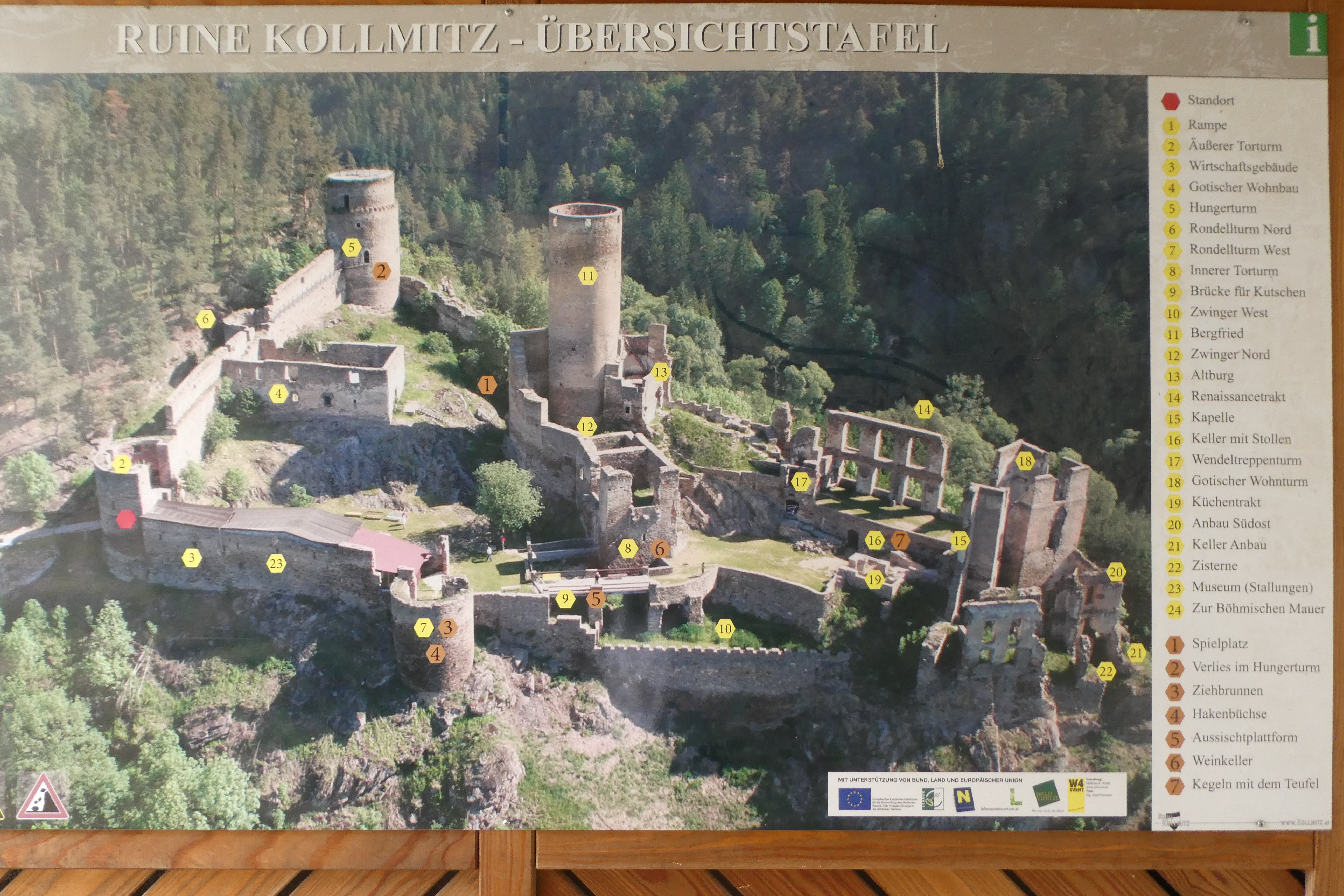
The castle proved to be near empty, save for a group of policemen, which I could have guessed from the presence of the two or three police cars parked outside. They seemed to be taken on a round tour – of what kind, for what reason, I neglected to find out: I just kept walking around, up, down, around again, to avoid them. What I found was a place without a semblance to a museum but with lots of signs of having been inhabited shortly before: by children. Lists of names could be found on most doors of what seemed to be dormitories. Good luck to me!
Other than this adventure, I found the whole complex quite interesting with a pleasant atmosphere outside as well.
The view was also great, with the river and the Thaya.
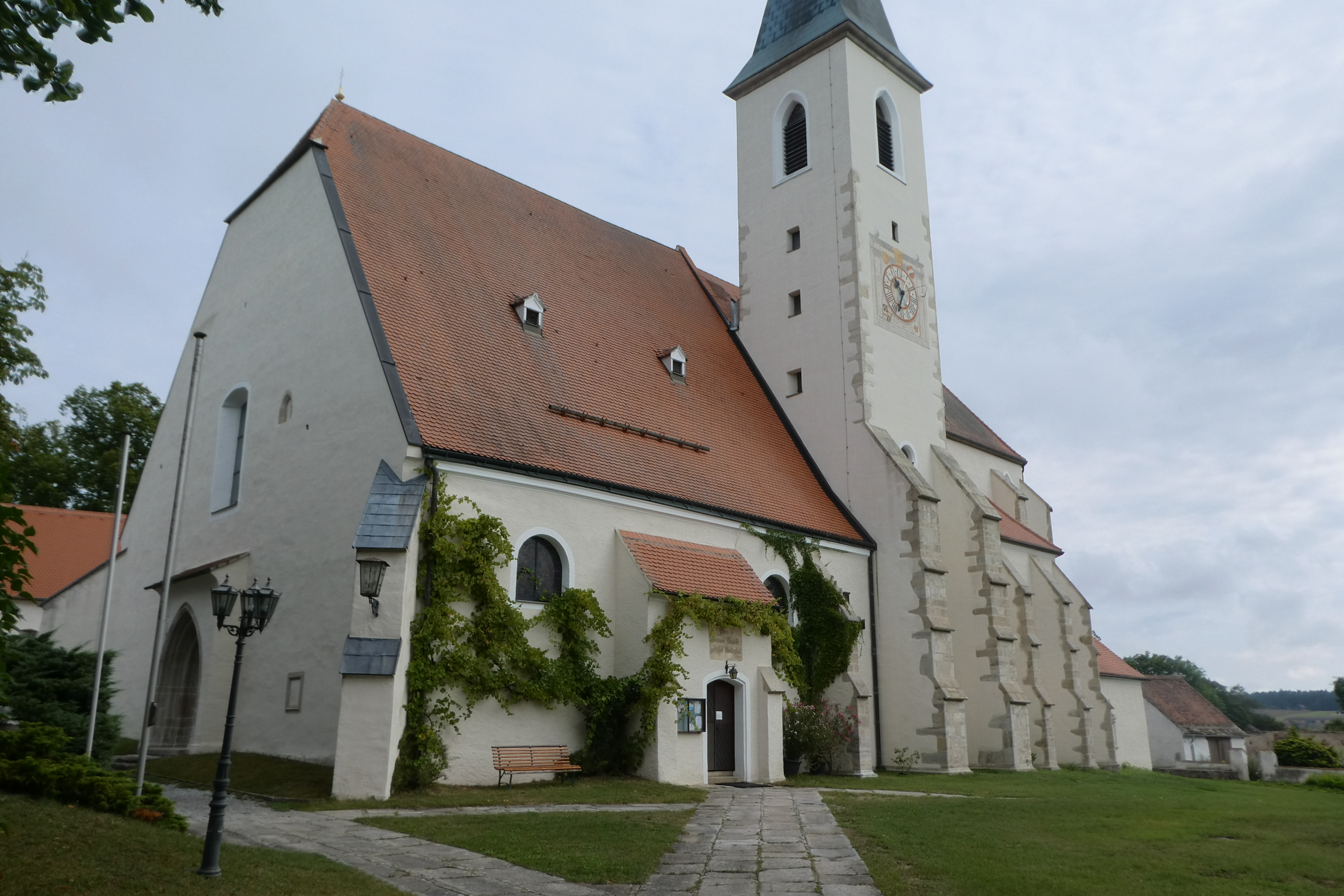
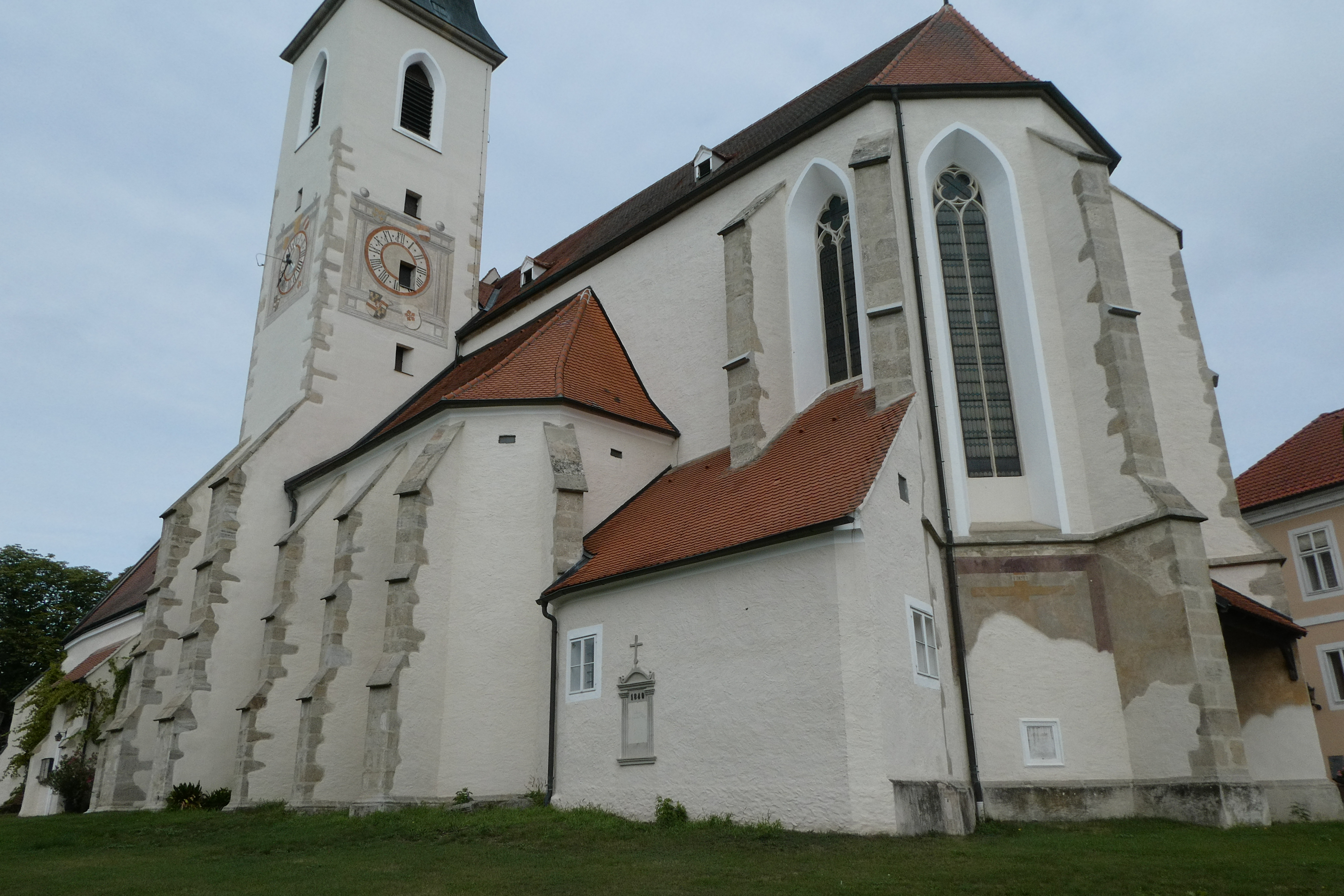
A bit further on the rocky outcrop, I found an old church that seemed to be worth looking. It turned out to be the Pfarrkirche “Zu Maria Himmelfahrt auf dem Berge”, meaning the Parish church ‘To Mary’s Assumption on the Mountain’.
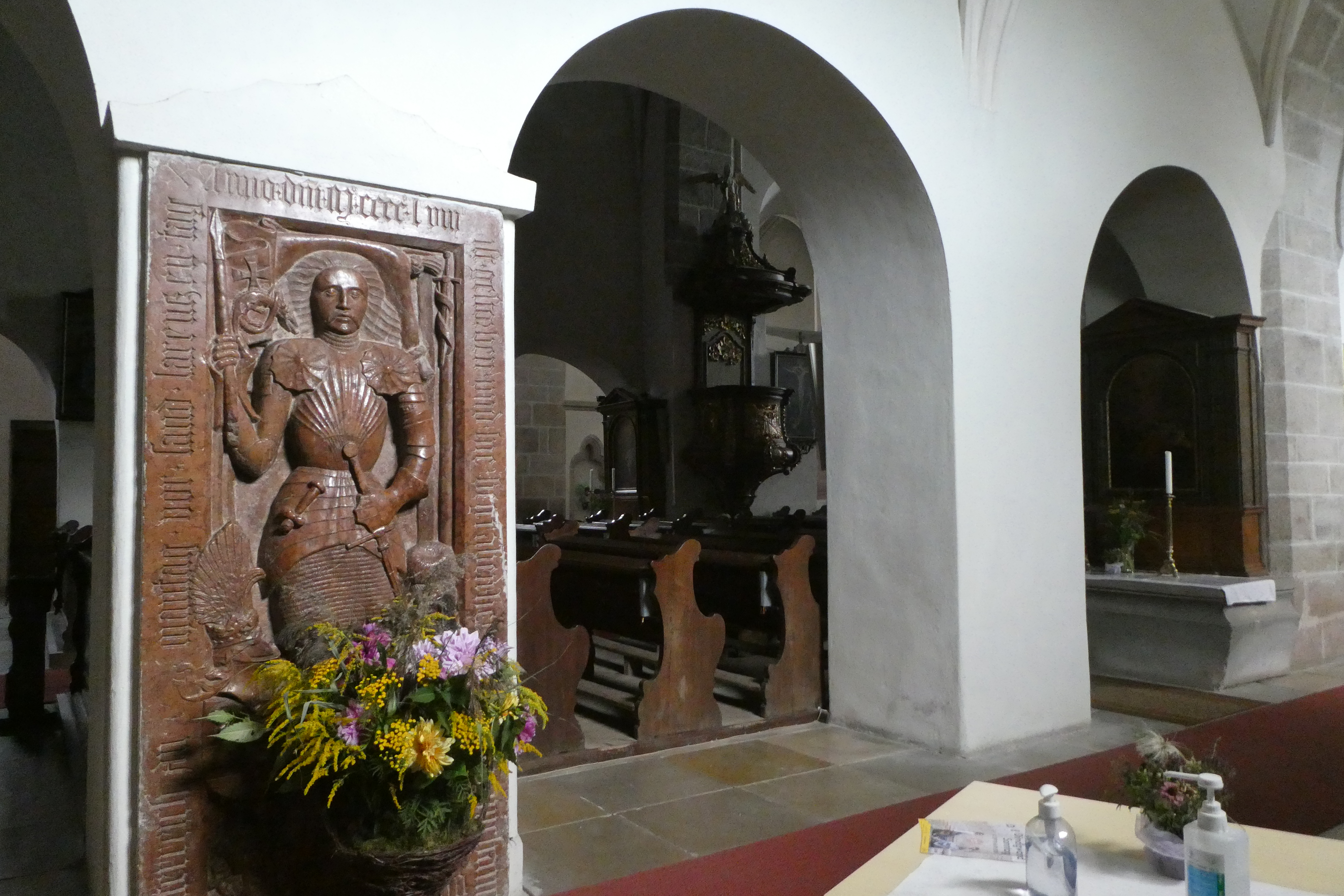
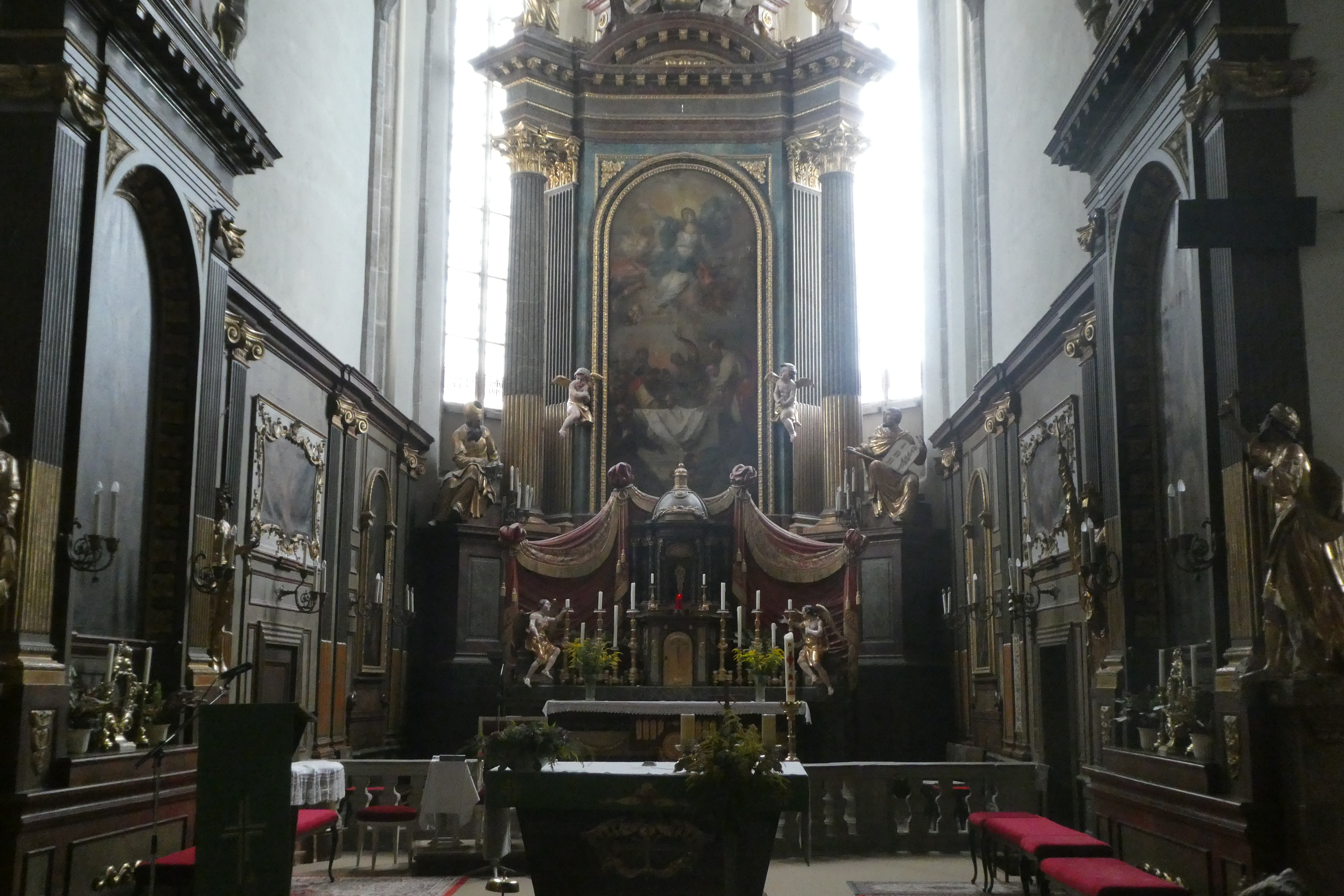
It goes back to possibly the 11th century (the level of the German courses from three different languages I’ve finished on Duolingo didn’t give me enough German to understand this decisively) with some gothic elements and late-romantic elements and an altar picture donated by Queen Marie Therese.
Interestingly, it has the oldest clock in Austria with a numeral face dating back to 1343.
On the way back I stopped shortly at the triangular Hauptplatz – it would be misleading to call it the Main Square but, functionally, that’s what it is -, a nice place
but, looking back, the castle is the absolutely best reason to visit this little town.
As I promised a few days ago, I’ll be posting photos of nature and historic places on this site from now on. The first area I went to was the Thaya valley on the Austrian side, in Lower Austria (i.e. Niederösterreich in German), to which an earlier university co-student and friend of mine, Prof. Dr. Dénes Lóczy from Hungary, drew my attention. When we studied Geography together, we never ever heard of the river or the area but now I can assure everyone that it’s worth visiting for a wide range of reasons. See below some of what I’ve seen in the area on my first journey – I’m sure I won’t stop short at this stage, health permitting.
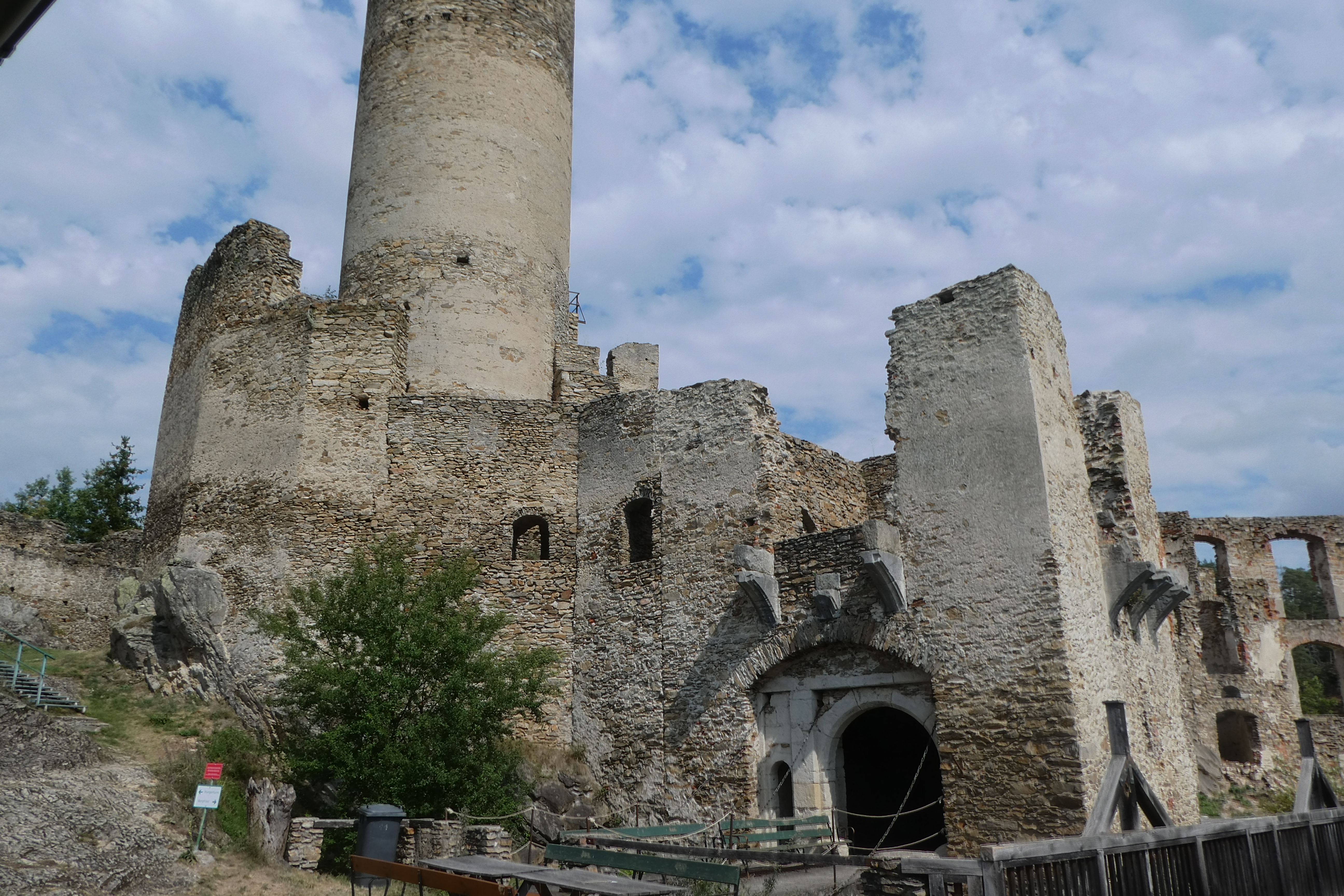
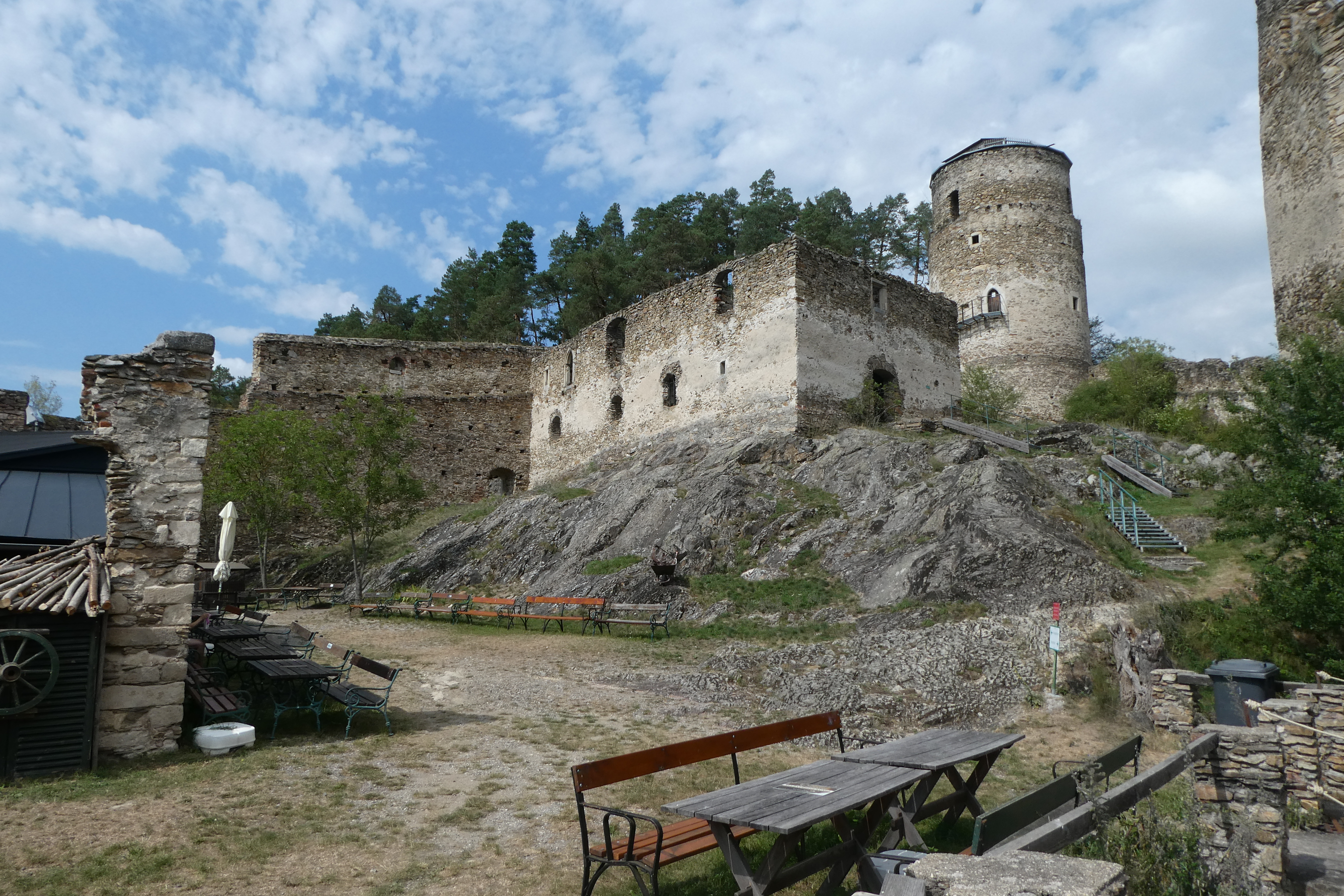
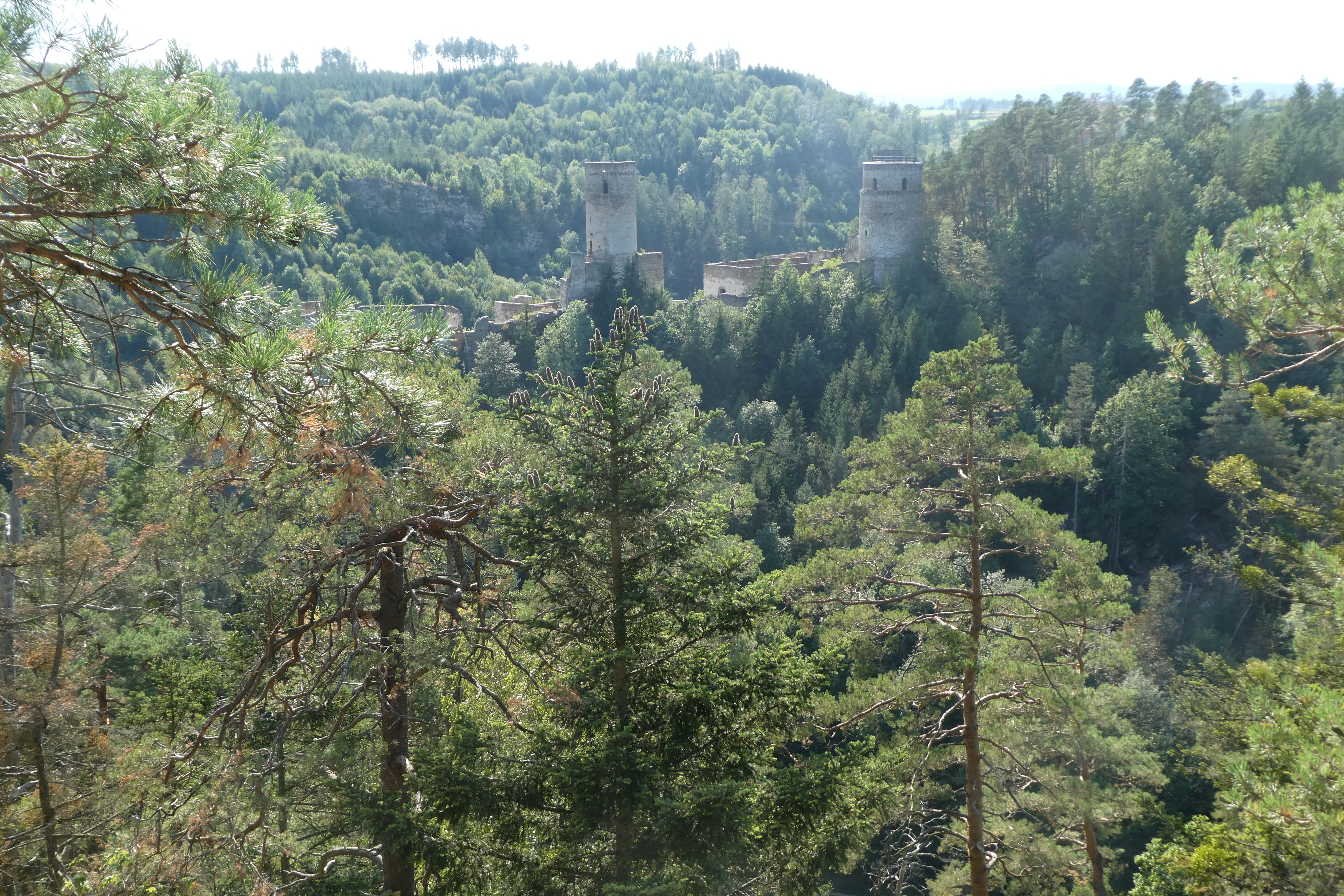
You could see the river in my previous post, now I’m starting out with a view of the sight of the castle of Kollmitz and will lead you inside.
A little view of the rocks of the surroundings as we look back from the bridge:
The Thaya in August, and below the dam, looked little more than a stream – I’m feeling deeply for the locals during the difficult times of the heavy rains in the middle of September, when I’m writing this post.
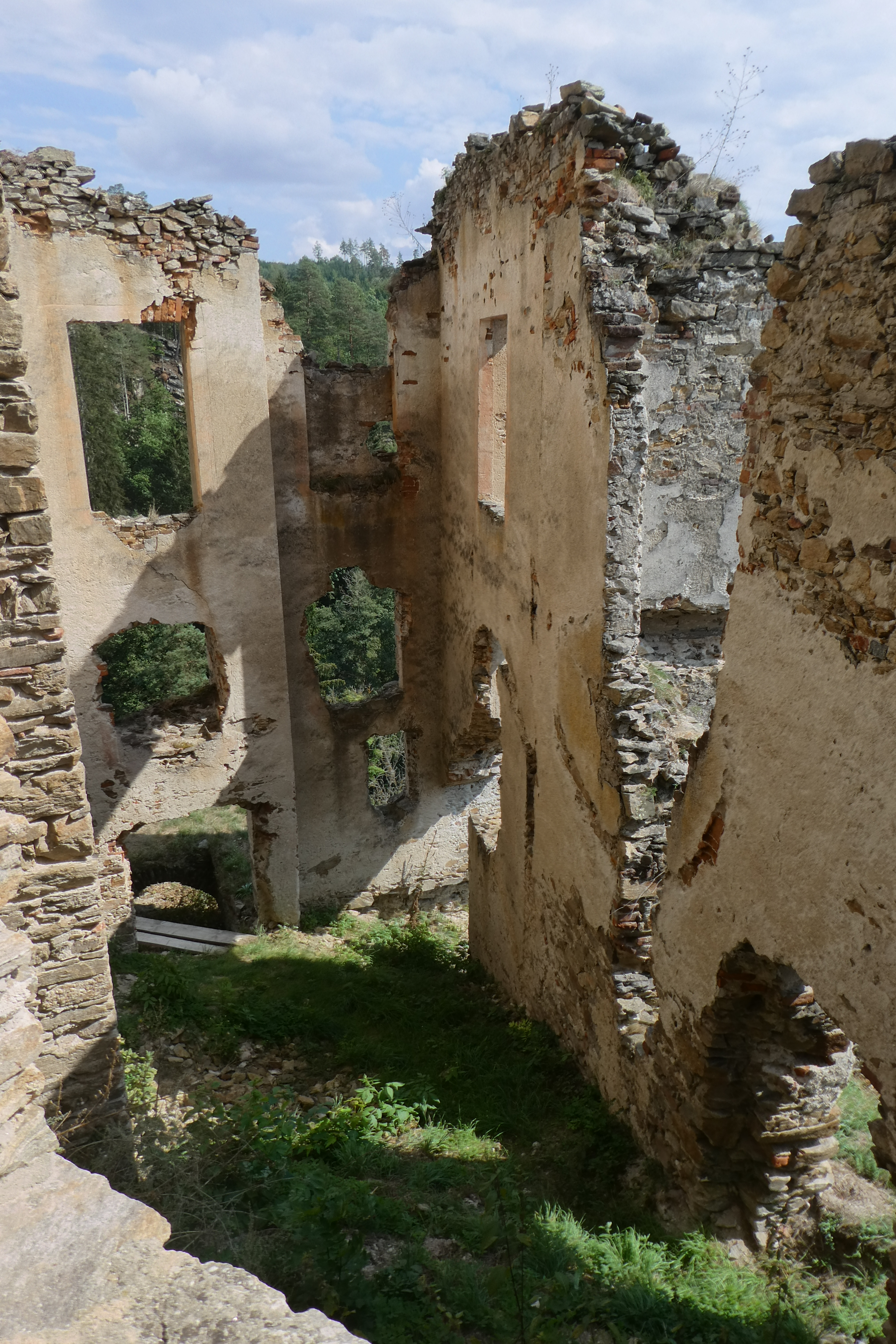
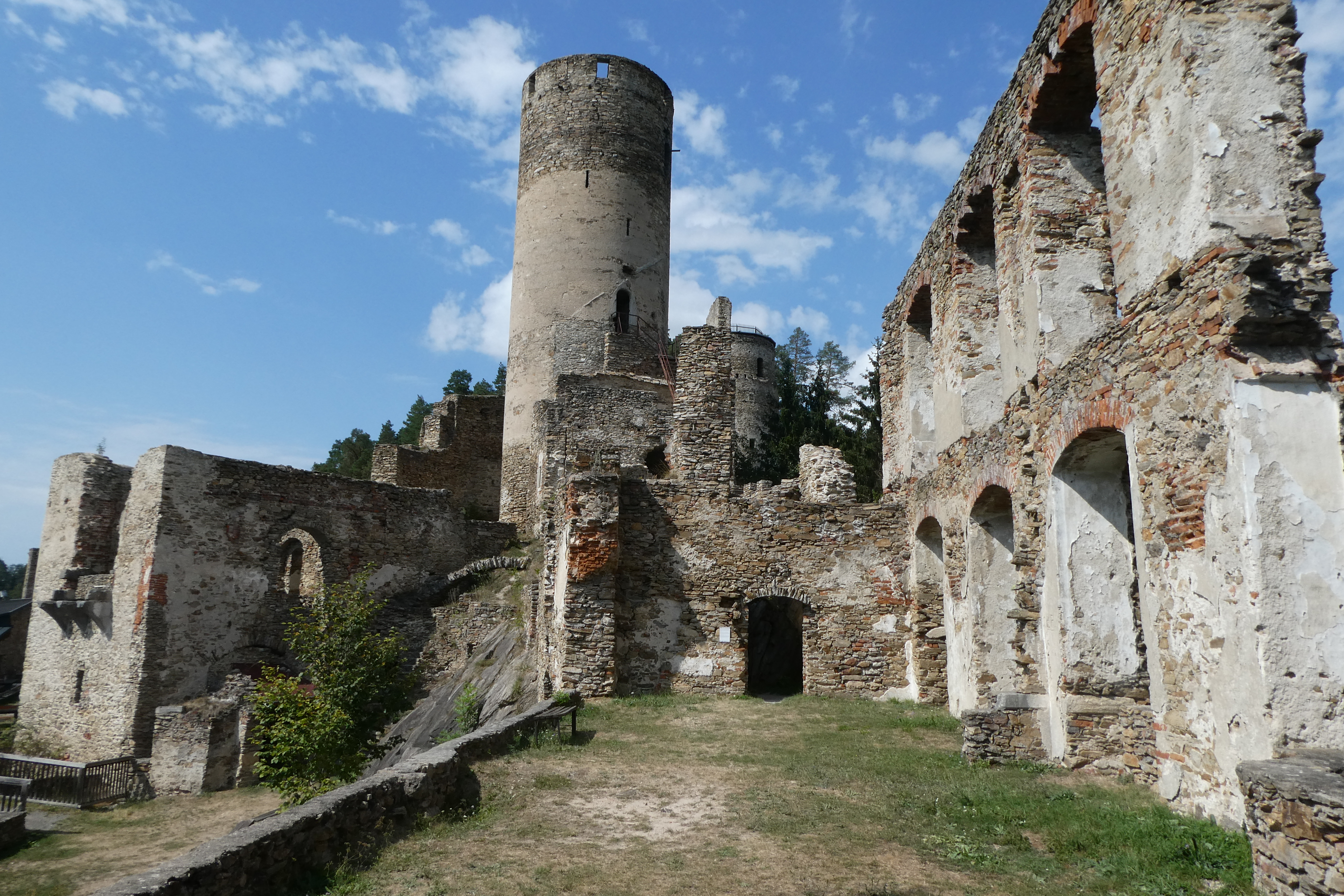
Now, on into the ruins.
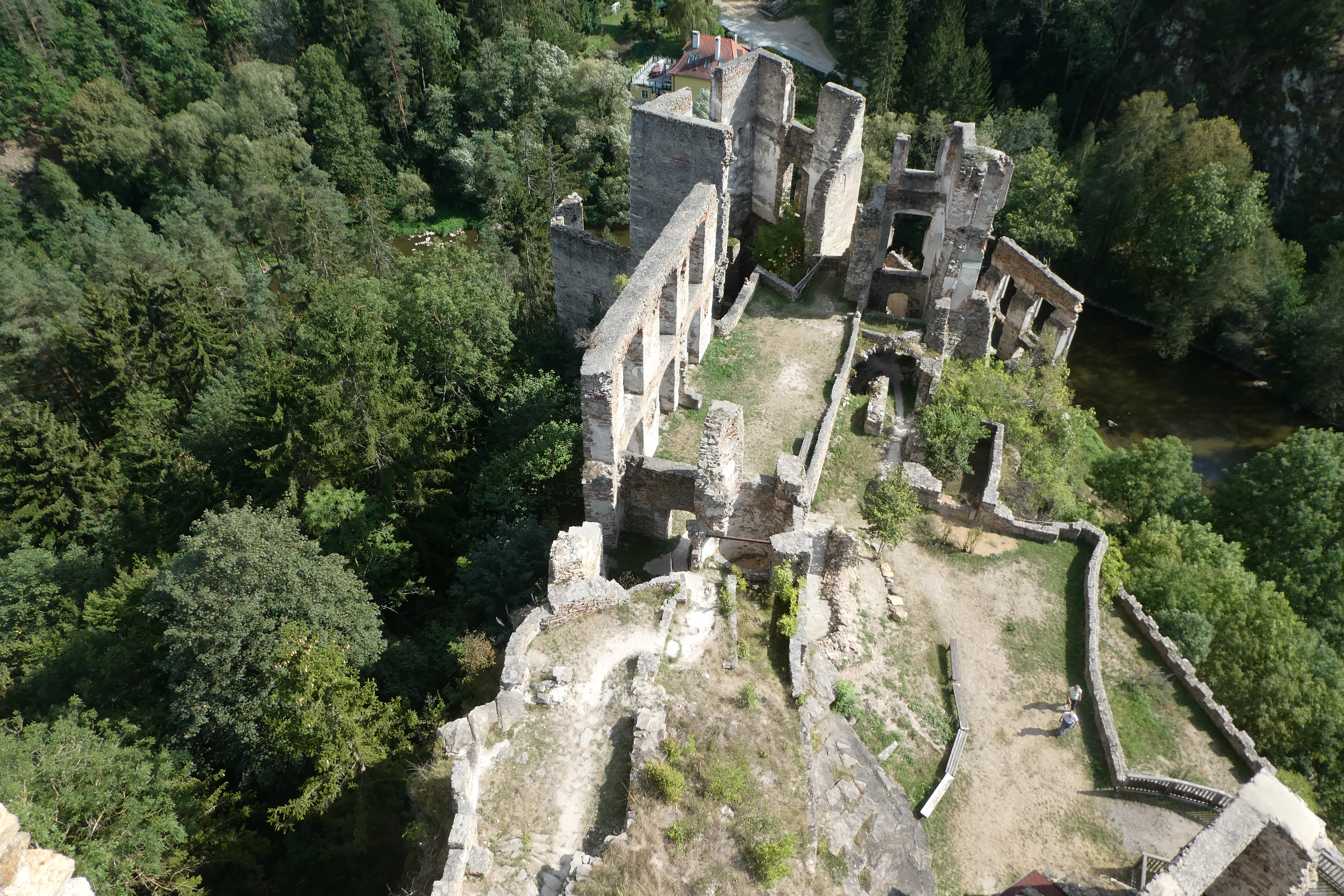
Here we can have a good look-around towards the South-South-West:
Climbing the towers, though one feels really high, is worth the effort:
That was it. Great pleasure, so much so that I felt I had to let the guards know how much I appreciated my visit – so I told them in my brand-new German. Learning with Duolingo for hundreds of hours wasn’t a complete waste after all…
But not enough for me – I’d seen that the ruins can be seen from across the river after it has taken a sharp left turn. So I set out to find such a place. Again, I had to ask local help in German – no English, please.
Well, I couldn’t really get to a point where the ruins were visible together with the river but perhaps you can try it with a drone next time. Until then, hope you’ve enjoyed these photos. Other places are coming later.
Although I don’t teach English any more as I retired a few years back, I’m still learning languages in the Netherlands. Teaching is basically about learning – from our notions of what we can do to help our students to learn to the notions of other people concerning how teachers are notoriously assessed based on what their learners have achieved – and learning is basically about teaching – at least that’s what bad students think: they blame the teacher so I need not change much about the title in these respects.
Besides, all the space on my three related WordPress photo websites has run out and, to be honest, I find it a drag to set up yet another one when there’s still loads of space on this one, consequently, I’ve decided to temper with the name of this site a bit and add some of my latest photos here. If you liked my posts on my other sites, I can promise you’ll like these as well.
Part of the reason is also that I’m convinced that referring only to English is rather limited and limiting. I’ve realised having wasted decades of my life by exclusively sticking to it whereas for people living in large parts of Europe and Asia, other languages are at least equally important for everyday life, not to mention Latin-America, where it is far from being the most important language. As a result of my new-found passion in languages, I’d like to encourage my open-minded readers to learn other languages by showing you the beauty, like above, of sceneries and historic relics of where I happen to pass on my occasional journeys.
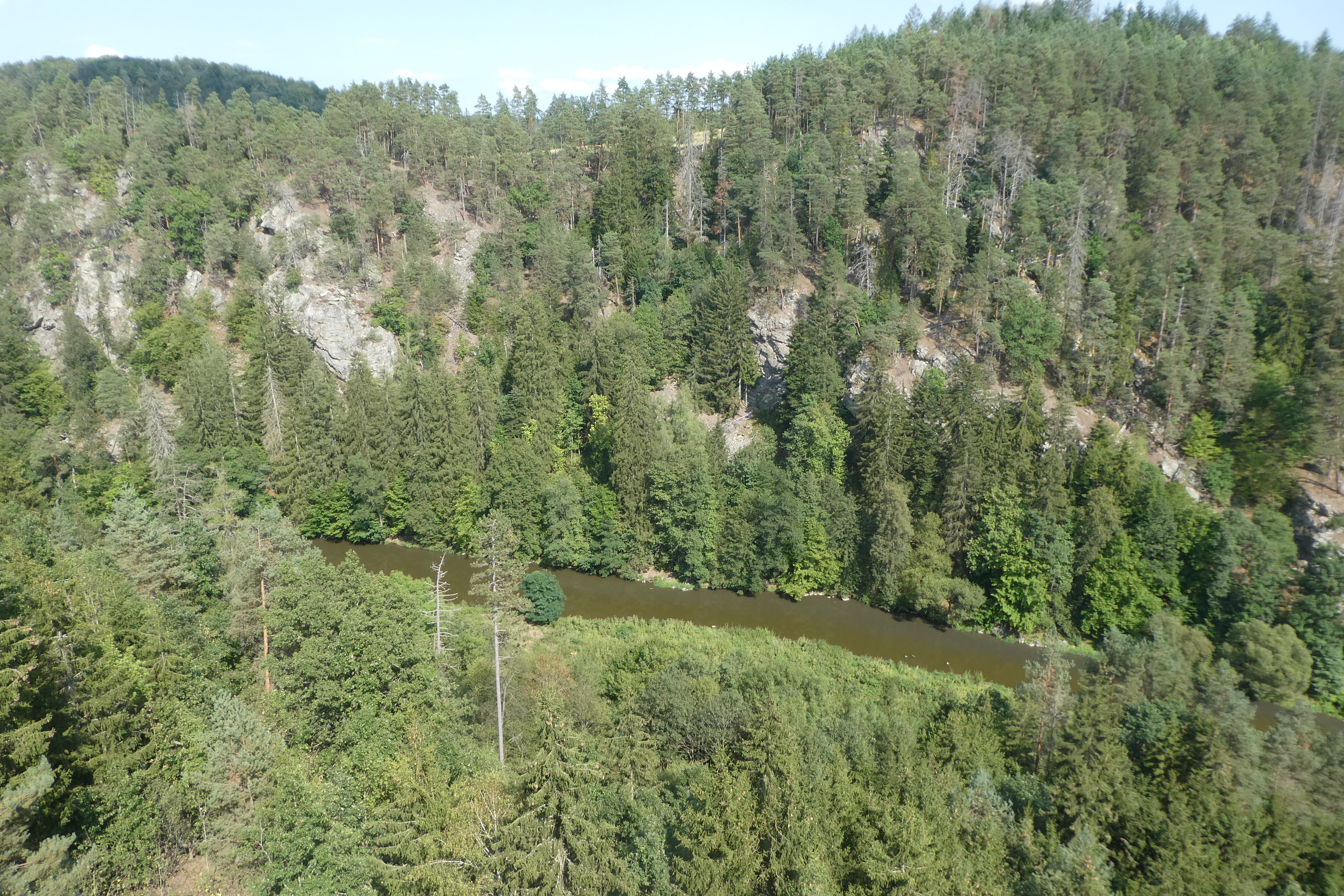
That said, I’d like to whip up your interest at my soon-to-come next posts, which will be about the north of Niederösterreich, more specifically, the region of the river Thaya, seen above and here below, from above, looking down from Burgruine Kollmitz:
Hope you’ll like what is coming soon. Otherwise, if you haven’t read my age-old, earlier posts on this site, you may still find something worth reading. Enjoy!










































 Learning and teaching languages in the Netherlands - and taking photos in the process